
Why Gen Z Sports Fans Don’t Just Watch — They Interact, Share, and Meme
OFF THE FIELD
8/17/20253 min read
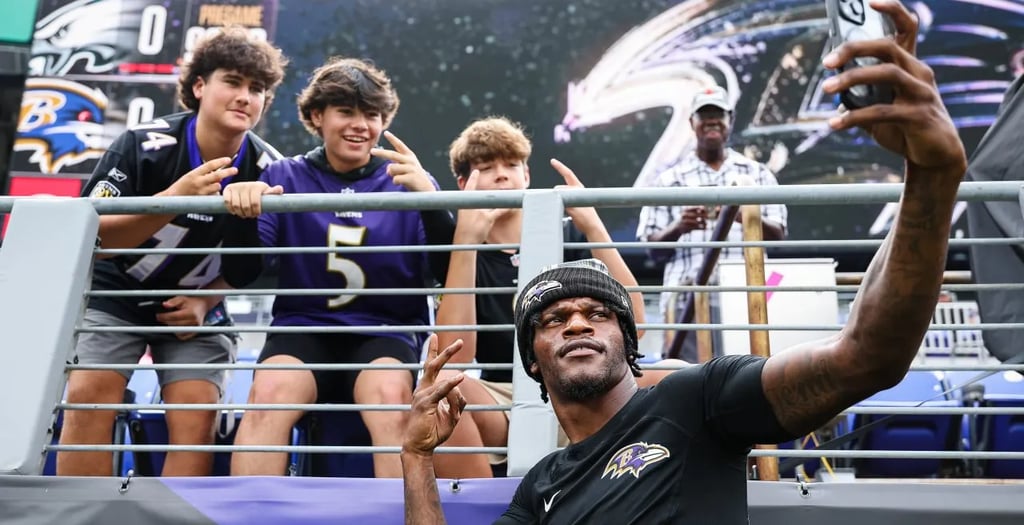
Gone are the days when sports fandom meant sitting in front of a TV, cheering for your team, and maybe arguing with friends over a beer. For Gen Z, the game is just the starting point. This generation of sports fans, born between the late 1990s and early 2010s, has redefined what it means to be a fan. They don’t just watch sports—they interact, share, and meme their way through every moment, turning passive viewership into a dynamic, digital experience.
The Interactive Fandom Revolution
Gen Z fans are digital natives, raised with smartphones and social media as extensions of themselves. Watching a game isn’t enough; they want to be part of it. Platforms like X, TikTok, and Twitch have become their arenas for engagement. During an NBA playoff game, you’ll find them live-tweeting reactions, dissecting plays in real-time, or hopping into Discord servers to debate referee calls with fans across the globe. According to a 2023 study by Morning Consult, 68% of Gen Z sports fans engage with sports content on social media while watching games, compared to just 43% of Millennials. This interactivity transforms the solitary act of watching into a communal, global conversation.
Fantasy sports and betting apps like DraftKings or FanDuel amplify this. Gen Z isn’t just rooting for their favourite team—they’re tracking player stats, tweaking fantasy lineups, or placing prop bets on whether LeBron James will hit a three-pointer in the third quarter. These platforms make every moment of the game a chance to participate, not just spectate. It’s less about the final score and more about the micro-moments they can analyze, predict, and share.
Sharing the Experience
For Gen Z, fandom is about community, and sharing is the glue that binds it. They’re not content yelling at the TV alone—they want their friends, followers, and even strangers to feel the highs and lows with them. Instagram Stories capture their game-day outfits or watch-party setups, while Snapchat streaks show off their reactions to a buzzer-beater. On X, a single viral post can spark a thread of thousands, with fans sharing hot takes, GIFs, or clips of a game-changing play. A 2024 Nielsen report found that 72% of Gen Z sports fans post or share content during live events, far outpacing older generations.
This sharing culture extends beyond their immediate circles. Gen Z fans are curators, creating highlight reels on TikTok or breakdown videos on YouTube that rack up millions of views. They’re not just consuming sports media—they’re producing it. Take, for example, the rise of fan-made content creators like Jomboy, whose lip-reading videos and play breakdowns have turned him into a Gen Z sports media icon. Fans aren’t waiting for ESPN to tell them what matters; they’re shaping the narrative themselves.
Meme Machine
If there’s one thing Gen Z does better than anyone, it’s memeing. Sports moments are meme gold, and Gen Z fans are the miners. A fumbled pass, a coach’s meltdown, or an athlete’s post-game quote can become a viral meme within minutes. When Draymond Green got ejected from a game in 2023, X was flooded with memes comparing him to a cartoon villain, racking up millions of likes. These memes aren’t just jokes—they’re a language, a way for fans to process the drama, roast their rivals, and bond over shared humour.
Memes also democratize fandom. You don’t need to be a sports expert to laugh at a clip of a player slipping, paired with a SpongeBob SquarePants reaction GIF. This accessibility draws in casual fans, expanding the sports conversation beyond diehards. According to a 2024 Sprout Social survey, 61% of Gen Z fans say memes make them feel more connected to sports communities, even if they don’t follow every game.
Why It Matters
Gen Z’s approach to sports fandom is reshaping the industry. Leagues and teams are adapting, with the NFL and NBA investing heavily in social media campaigns and partnerships with TikTok influencers. Athletes, too, are in on the game—stars like Ja Morant engage directly with fans on X, amplifying their personal brands. This interactive, shareable, meme-driven fandom isn’t just a trend; it’s a cultural shift. For Gen Z, sports aren’t just watched—they’re lived, shared, and memed into something bigger than the game itself.