
Usain Bolt: The Fastest Man in History and the Legend of Lightning
LEGENDS OF THE GAMEAROUND THE GLOBE
7/2/20254 min read
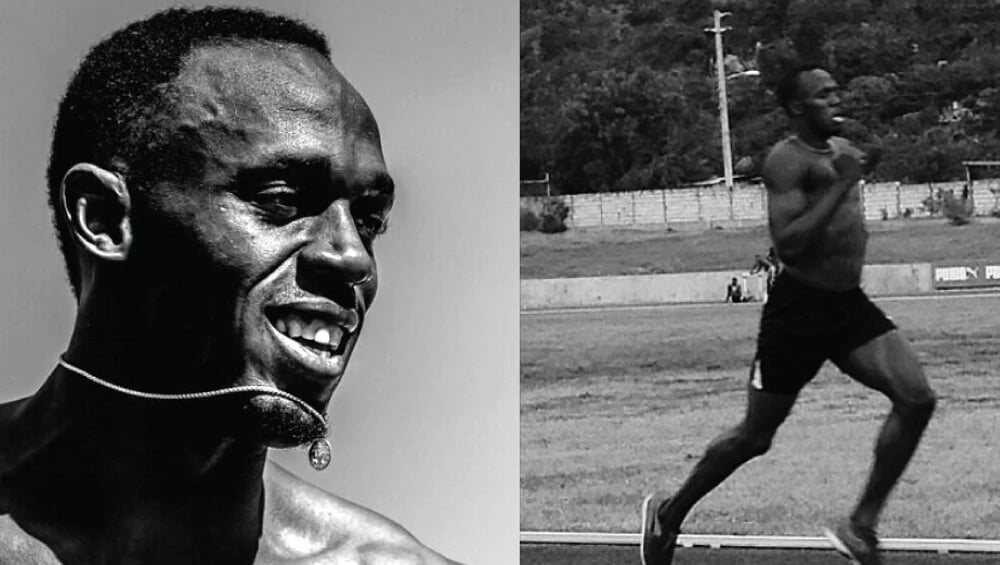
Usain Bolt is not just the fastest man to ever grace a track—he is a global icon, a showman, and a legend whose impact on athletics transcends records and medals. With a dazzling smile, a signature lightning-bolt pose, and an effortless dominance on the world stage, Bolt changed the face of sprinting forever. From humble beginnings in rural Jamaica to setting world records that still stand unbroken, Bolt’s journey is a celebration of talent, discipline, and charisma.
Early Life and Rise of a Prodigy
Born on August 21, 1986, in the small town of Sherwood Content in Jamaica’s Trelawny Parish, Usain St. Leo Bolt was a spirited child known for his boundless energy. Raised in a tight-knit community, Bolt’s early interests leaned toward cricket and football, not sprinting. His parents, Wellesley and Jennifer Bolt, ran a grocery store and encouraged him to stay active and focused. It wasn’t until primary school that Bolt's natural speed started turning heads. Coaches noticed his explosive bursts and effortless pace. By the time he entered high school, it was clear that he was not just fast—he was extraordinarily fast. Under the guidance of coach Pablo McNeil, a former Olympic sprinter, Bolt began formal training and quickly excelled. At just 15 years old, Bolt made global headlines by winning the 200 meters at the 2002 World Junior Championships in Kingston, Jamaica. Not only was he the youngest-ever world junior gold medallist, but he had also become a symbol of hope for Jamaican athletics.
Breaking Into the World Stage
Bolt’s early professional years were a mix of promise and setbacks. Injuries in 2004 and 2005 stalled his momentum, but his talent remained undeniable. In 2007, he began training under renowned coach Glen Mills, who refined Bolt’s technique and focus. Mills helped Bolt transition from a talented runner to a serious contender on the global stage. The turning point came in 2008 at the Beijing Olympics, where Bolt astonished the world with a performance unlike anything ever seen. In the 100-meter final, he not only won gold but did so with a time of 9.69 seconds, slowing down to celebrate before crossing the finish line. It was an emphatic introduction. He followed that with a 19.30-second 200 meters victory, breaking Michael Johnson’s long-standing world record. Finally, he helped Jamaica secure gold in the 4x100 meters relay. Though that relay gold was later revoked due to a teammate’s doping violation, Bolt’s performance in Beijing made it clear—he wasn’t just fast, he was redefining speed itself.
World Records and Peak Performance
Bolt’s dominance continued in 2009 at the World Athletics Championships in Berlin. It was here that he set the current world records in both the 100 meters (9.58 seconds) and the 200 meters (19.19 seconds)—times that, more than a decade later, remain untouched. These weren’t just wins—they were statements. Bolt made it look easy. At 6’5”, his long stride defied conventional sprinting norms, giving him a mechanical advantage over shorter competitors. Where others relied on quick turnover, Bolt seemed to float, covering more ground with fewer steps. The same year, he anchored Jamaica’s 4x100 meters relay team to another gold. His peak years, from 2008 to 2016, saw him dominate every major event, with multiple World Championship and Olympic titles.
Olympic Legacy
Usain Bolt’s Olympic legacy is nearly unmatched. Across three Olympic Games—Beijing 2008, London 2012, and Rio 2016—Bolt achieved what no man had ever done: winning gold in the 100 meters, 200 meters, and 4x100 meters relay at three consecutive Olympics. While he originally earned nine Olympic gold medals, one was later stripped due to a doping violation by teammate Nesta Carter. Still, eight Olympic golds and an unbroken triple-triple performance (in races he individually ran and won clean) places him in an elite tier of global athletes.
A Charismatic Global Icon
Part of Bolt’s mass appeal was his larger-than-life personality. Unlike the often-stoic demeanour of elite sprinters, Bolt brought flair, joy, and showmanship to the track. Whether it was his dance routines, jokes with volunteers, or the now-iconic “To Di World” lightning pose, Bolt connected with audiences beyond the sport. He made athletics fun. Broadcasters loved him. Sponsors flocked to him. Kids emulated him. He became a global ambassador for not just track and field, but for sport itself. Bolt’s presence helped revitalize track and field during an era overshadowed by doping controversies. He brought credibility and excitement, reminding fans of the purity and thrill of honest competition.
Life After the Finish Line
Usain Bolt retired from professional athletics after the 2017 World Championships in London, where he won a bronze in the 100 meters and pulled up injured in the 4x100 meters relay final. It wasn’t the perfect farewell, but his career needed no exclamation point. Post-retirement, Bolt explored various ventures. He pursued his love for football, briefly training with Borussia Dortmund and playing a few matches in Australia for the Central Coast Mariners. While a professional football career didn’t materialize, Bolt remained undeterred. He has also dabbled in music, launching a reggae album and singles under his name. Through the Usain Bolt Foundation, he supports initiatives in education and cultural development, especially in underserved communities.
Career Statistics Overview
Olympic Medals: 8 Gold
World Championship Medals: 11 Gold, 2 Silver, 1 Bronze
World Records:
100 meters: 9.58 seconds (Berlin, 2009)
200 meters: 19.19 seconds (Berlin, 2009)
4x100 meters relay: 36.84 seconds (London Olympics, 2012)
These records stand as a testament to his era-defining brilliance.
The Legacy of Lightning Bolt
Usain Bolt's influence goes far beyond the track. He changed the way people view sprinting, bringing global visibility to Jamaican athletics and inspiring a generation of young athletes. His story shows that greatness is not only defined by performance but also by passion, integrity, and joy. Whether or not his records are ever broken, Bolt’s unique combination of speed, style, and spirit ensures he will be remembered as more than just an athlete. He is a cultural figure, a role model, and an enduring symbol of human potential. In a sport where milliseconds make legends, Usain Bolt’s legacy is timeless. He didn't just run faster than anyone before or after him—he ran into history, into the hearts of millions, and into the pantheon of the greatest athletes the world has ever seen.