
The Unseen Economic Ripples of Hosting a Sports Spectacle
THE BUSINESS OF SPORTOFF THE FIELD
8/11/20254 min read
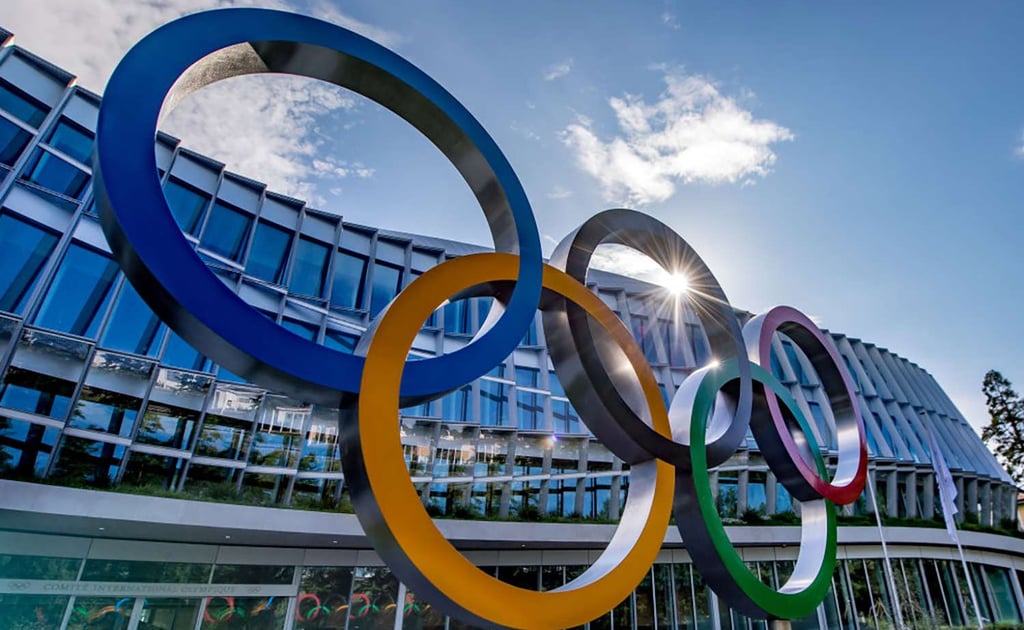
When a city wins the bid to host a major sporting event like the Olympics, the FIFA World Cup, or even a regional championship, the narrative often centres on prestige, global visibility, and the thrill of competition. Leaders promise economic windfalls—new jobs, booming tourism, and urban revitalization. But beneath the surface of these grand spectacles lies a complex web of costs, benefits, and unintended consequences that shape the true economic impact of hosting such events. While the spotlight shines on athletes and arenas, the hidden economic ripples can transform communities, for better or worse.
The Promise: A Surge of Economic Activity
At first glance, hosting a major sporting event seems like an economic jackpot. Cities anticipate a flood of visitors—tourists, media, and sponsors—who pour money into hotels, restaurants, and local businesses. The 2016 Rio Olympics, for example, attracted over 1.1 million tourists, contributing an estimated $1.2 billion to Brazil’s economy, according to government reports. Events like these also spur infrastructure investments: new stadiums, upgraded transportation systems, and shiny urban developments. Proponents argue these projects create jobs and leave a lasting legacy of improved facilities.
The immediate economic boost is real. Construction workers build arenas, hospitality staff cater to visitors, and local vendors sell everything from souvenirs to street food. In 2012, London’s Olympics generated an estimated £9.9 billion in trade and investment benefits, with 60% of that attributed to increased tourism and business activity during the games, per a UK government study. For smaller economies, like Qatar during the 2022 FIFA World Cup, the influx of global attention can put a nation on the map, potentially attracting long-term foreign investment.
But the story doesn’t end with packed hotels and ribbon-cutting ceremonies. The hidden costs and long-term impacts often tell a different tale.
The Hidden Costs: A Pricey Undertaking
Hosting a major sporting event is a financial behemoth. The costs of building state-of-the-art venues, ensuring security, and upgrading infrastructure can balloon far beyond initial budgets. The 2014 Sochi Winter Olympics, for instance, cost Russia an estimated $51 billion—making it the most expensive Olympic Games in history, with much of the budget swallowed by corruption and mismanagement, according to Transparency International. Even when corruption isn’t a factor, cost overruns are the norm. A 2020 Oxford University study found that every Olympics since 1960 has exceeded its budget, often by 100% or more.
These expenses don’t always translate into proportional benefits. Many of the jobs created are temporary—construction workers and event staff often find themselves unemployed once the closing ceremony ends. The promised tourism boom can also disappoint. During the 2000 Sydney Olympics, some local businesses outside the immediate event zones reported lower-than-usual revenue as regular customers avoided crowded areas. Similarly, Beijing’s 2008 Olympics saw a dip in non-Olympic tourism, as high costs and security measures deterred casual travellers.
Then there’s the issue of “white elephant” venues—gleaming stadiums that fall into disrepair after the crowds leave. Athens’ 2004 Olympic facilities are a stark example: many of its venues, built at a cost of $11 billion, now sit abandoned, a haunting reminder of misplaced optimism. Maintaining these structures can burden taxpayers for decades, diverting funds from schools, healthcare, or other public services.
The Ripple Effects: Winners and Losers
Beyond the balance sheet, hosting a sporting event creates economic winners and losers within a community. Gentrification often accompanies these events, as cities spruce up neighbourhoods to impress global audiences. While this can raise property values and attract wealthier residents, it also displaces lower-income communities. In Rio, an estimated 77,000 people were evicted to make way for Olympic infrastructure, according to the Rio Popular Committee. Rising rents and living costs can push long-time residents out, reshaping the social fabric of a city.
Local businesses face a similar dichotomy. While some—hotels, restaurants near venues, and tour operators—thrive during the event, others suffer. Small shops in less touristy areas may see reduced foot traffic as locals avoid event-related congestion. In London, some West End theatres reported a 30% drop in ticket sales during the 2012 Olympics, as visitors prioritized the games over other attractions.
On the flip side, the global exposure from hosting can yield long-term gains. Barcelona’s 1992 Olympics transformed the city into a tourism powerhouse, with visitor numbers doubling in the decade that followed. The key was strategic planning: Barcelona used the games to revitalize its waterfront and invest in infrastructure that served residents long after the event. Cities that fail to plan for post-event use, however, risk squandering these opportunities.
The Intangible Benefits: Beyond Dollars and Cents
Not all impacts are measurable in economic terms. Hosting a sporting event can boost civic pride and national unity, intangible benefits that resonate deeply. The 2010 FIFA World Cup in South Africa, despite its $3.5 billion price tag, was hailed as a moment of national cohesion, showcasing the country’s resilience post-apartheid. These events can also inspire future generations—studies show increased youth participation in sports following major events, which can have long-term health and social benefits.
Yet, these intangibles come with trade-offs. The pressure to present a flawless image can lead to human rights concerns, such as forced evictions or crackdowns on dissent. Qatar faced intense scrutiny during the 2022 World Cup for its treatment of migrant workers, with reports estimating thousands of deaths linked to construction projects. Such controversies can tarnish a host’s reputation, potentially offsetting the economic and cultural gains.
Striking a Balance: Lessons for the Future
So, are major sporting events economic boons or budget-busting traps? The answer lies in execution. Cities that succeed—like Los Angeles in 1984, which turned a profit by using existing venues—approach hosting with pragmatism. They prioritize sustainable investments, repurpose facilities, and engage local communities to ensure benefits are shared broadly. Transparency and realistic budgeting are also critical to avoiding the pitfalls of cost overruns and corruption.
For future hosts, the lesson is clear: the economic impact of a sporting event depends on planning, not promises. By focusing on long-term value over short-term spectacle, cities can harness the energy of these events to create lasting prosperity—rather than a fleeting moment of glory followed by decades of debt.
In the end, the true cost and benefit of hosting a sporting event go far beyond the scoreboard. They’re felt in the wallets of taxpayers, the livelihoods of workers, and the soul of a city. The challenge is ensuring the legacy is one worth celebrating.