
The Private Equity Playbook
Why Investment Funds Are Targeting Sports Assets
THE BUSINESS OF SPORT
2/13/20264 min read

In June 2025, the Los Angeles Lakers shattered records with a $10 billion sale to a consortium backed by Abu Dhabi's Mubadala Investment Company, marking a watershed moment for sovereign wealth funds (SWFs) in U.S. sports. This deal, navigated through indirect stakes to comply with NBA rules limiting SWF ownership to 5%, exemplifies the growing convergence of private equity (PE) firms and SWFs in treating sports as a premier investment class. No longer mere trophy assets for billionaires, sports teams, leagues, and media rights are being repositioned as long-term infrastructure plays—resilient, revenue-generating behemoths akin to utilities or toll roads. With PE pouring $54.6 billion into sports since 2019 and SWFs commanding trillions in assets, this shift is reshaping the global sports landscape. This article explores the rationale behind these investments, drawing on real-world case studies to illustrate how funds are acquiring stakes and viewing sport through an infrastructural lens.
The Allure of Sports Assets for Investors
Sports have evolved from passion projects into a sophisticated asset class, attracting PE and SWFs for their unique blend of stability, growth potential, and diversification. At the core is the scarcity value: Major leagues like the NFL, NBA, MLB, and NHL feature only 153 franchises across North America, with strict expansion rules creating a monopoly-like environment. This limited supply drives valuations skyward—U.S. sports teams have outperformed the S&P 500 over the past two decades, with the average NBA franchise now worth $3 billion. Investors are drawn to predictable, long-term cash flows from diverse sources: media rights, sponsorships, ticket sales, merchandise, and emerging streams like sports betting and digital content.
Media rights, in particular, form the backbone of the investment thesis, accounting for 40-60% of league revenues. Global broadcasters and streamers allocate 26% of content budgets to sports, fuelling auctions that inflate deals— the NFL's 11-year, $110 billion agreement with partners exemplifies this resilience. Unlike cyclical industries, sports maintain loyal fan bases even in downturns, offering uncorrelated returns that hedge against market volatility. PE firms like Arctos and RedBird have capitalized on this, amassing portfolios of minority stakes, while SWFs leverage their long horizons—often 50+ years—to forgo quick exits in favour of sustained value creation.
Beyond financials, sports confer soft power and geopolitical leverage, especially for SWFs from oil-dependent nations diversifying economies under initiatives like Saudi Arabia's Vision 2030. Hosting events like Qatar's 2022 FIFA World Cup or Abu Dhabi's Formula 1 Grand Prix boosts tourism and global branding, turning investments into tools for economic transformation.
Sports as Infrastructure: A Long-Term Asset Play
PE and SWFs increasingly treat sports as infrastructure assets—essential, durable, and revenue-stable, much like bridges or power grids. Franchises generate inflation-linked income through contracted media deals and sponsorships, insulated from short-term shocks. This analogy holds because sports ecosystems extend beyond teams to include stadiums, training facilities, and media platforms, enabling value creation via operational efficiencies, real estate development, and tech integration.
For instance, PE firms apply traditional playbooks: optimizing costs, modernizing media strategies, and scaling markets. Investments in mixed-use districts around venues—retail, dining, and entertainment—diversify revenue and enhance asset values. SWFs, with their vast capital (Middle Eastern funds manage over $3.5 trillion), view these as strategic holdings for national prestige and economic diversification. Leagues have facilitated this by relaxing rules: MLB pioneered PE minority stakes in 2019, followed by the NBA allowing up to 20% SWF equity, and the NFL capping PE at 10% in 2024. Today, two-thirds of MLB and NBA teams have PE backing, underscoring sports' maturation as an institutional-grade asset.
Case Studies: PE Firms in Action
CVC Capital Partners' 2021 "Boost LaLiga" deal is a landmark PE case. Rather than buying clubs outright, CVC invested €1.99 billion for an 8.2% share of LaLiga's broadcasting and sponsorship revenues over 50 years, valuing the league at €24.25 billion. This hybrid structure—blending equity, credit, and finance—insulates CVC from club-specific risks like relegation, securing predictable cash flows from aggregate media deals. Thirty-seven of 42 clubs participated, using funds for modernization amid global competition. Despite opposition from giants like Real Madrid over undervaluation concerns, Spanish courts upheld the deal, highlighting PE's role in league-wide growth.
Arctos Sports Partners exemplifies diversified PE strategies. Founded in 2019, Arctos has acquired stakes in over 20 teams and businesses, including the Boston Red Sox and Golden State Warriors. Its Arctos Keystone Real Assets arm focuses on real estate and infrastructure, leveraging 85 years of expertise to develop stadium-adjacent properties. This approach treats teams as hubs for broader ecosystems, driving enterprise value through operational improvements and scalable models.
Sovereign Wealth Funds: Global Power Plays
Saudi Arabia's Public Investment Fund (PIF) has aggressively targeted sports for diversification and influence. Its 2021 $400 million acquisition of Newcastle United transformed a mid-table Premier League club into a contender, aligning with Vision 2030. PIF also owns four Saudi Pro League clubs and backed the LIV Golf merger with the PGA Tour, investing billions to attract stars like Cristiano Ronaldo. These moves position Saudi Arabia as a sports hub, hosting events like the 2034 World Cup to boost tourism and soft power.
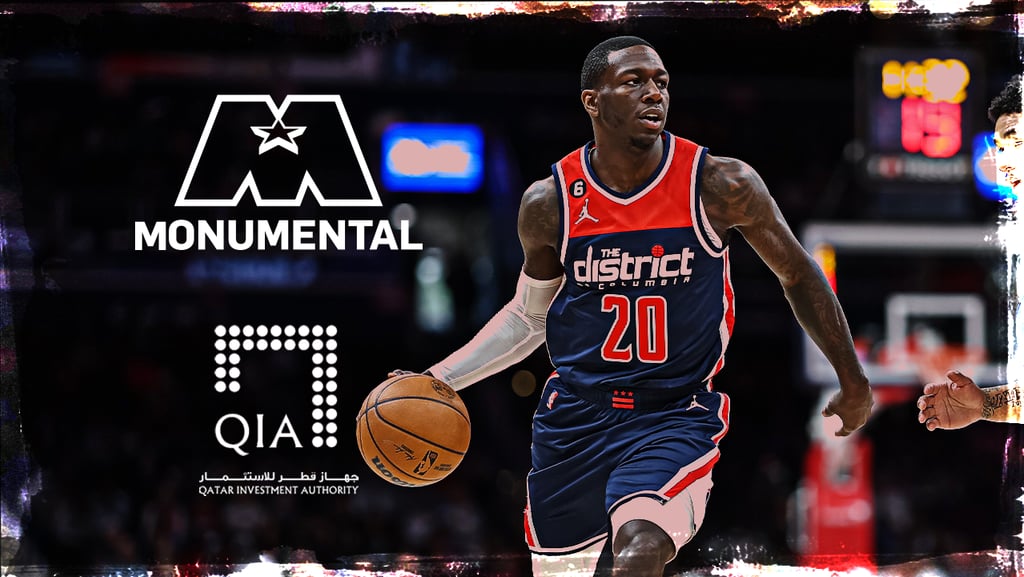
Qatar's Qatar Investment Authority (QIA), via Qatar Sports Investments (QSI), acquired Paris Saint-Germain (PSG) in 2011, injecting hundreds of millions to build a global powerhouse. PSG's valuation has soared, with QSI expanding into stakes in SC Braga and U.S.-based Monumental Sports & Entertainment (owners of the Wizards and Capitals). QIA's 2023 minority investment in Monumental marked the first SWF entry into U.S. team sports, valuing the group at $4.05 billion. This long-term strategy mirrors infrastructure investing, prioritizing sustained growth over quick profits.
Implications and the Road Ahead
These investments are revolutionizing sports: PE brings professionalization, boosting revenues through data analytics and global expansion, while SWFs amplify geopolitical ties. However, risks loom—conflicts of interest from multi-team ownership, antitrust concerns, and fan backlash over commercialization. Regulatory scrutiny, like U.S. CFIUS reviews for national security, could temper foreign SWF involvement.
Looking forward, the trend accelerates. With sports deal values hitting $23.6 billion in 2025 and funds like Blue Owl raising billions for NBA assets, expect deeper penetration into women's sports, esports, and emerging leagues. As PE and SWFs rewrite the playbook, sports solidify as enduring infrastructure assets, blending profit with passion on a global stage.