
The Future of Athlete Monitoring
From Heart Rate to Sleep Quality
TECHNOLOGY & INNOVATIONFITNESS & PERFORMANCE
8/4/20255 min read
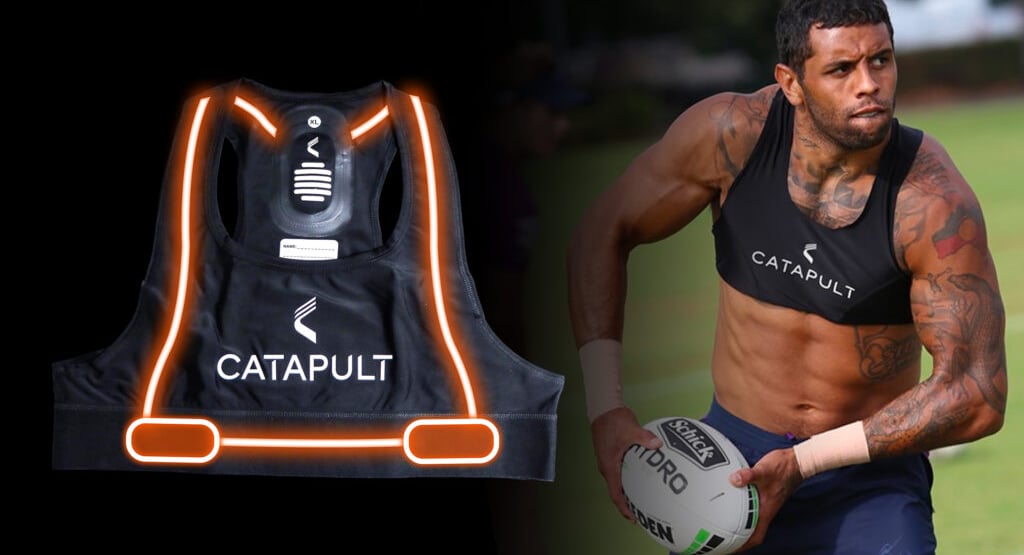

In the high-stakes world of competitive sports, optimizing athlete performance has become a science of precision. Athlete monitoring, once limited to basic metrics like heart rate and distance covered, has evolved into a sophisticated ecosystem of data-driven insights. From tracking sleep quality to analyzing biomechanical patterns, the future of athlete monitoring promises to revolutionize training, recovery, and performance. This article explores the cutting-edge advancements shaping this field and their implications for athletes, coaches, and sports science.
The Evolution of Athlete Monitoring
Athlete monitoring began with simple tools like stopwatches and manual logs of training sessions. The introduction of heart rate monitors in the 1980s marked a significant leap, allowing coaches to gauge an athlete’s exertion in real time. Today, wearable technology, artificial intelligence (AI), and advanced analytics have expanded the scope of monitoring to encompass a holistic view of an athlete’s physical and mental state.
Modern athlete monitoring systems integrate data from multiple sources—wearables, biosensors, and even psychological assessments—to provide a comprehensive picture of performance and well-being. These systems track not only physical metrics but also recovery indicators like sleep quality, stress levels, and nutritional status. The future lies in making these tools more precise, less invasive, and seamlessly integrated into an athlete’s daily routine.
Key Metrics in Athlete Monitoring
1. Heart Rate and Cardiovascular Metrics
Heart rate monitoring remains a cornerstone of athlete tracking, but the technology has advanced significantly. Wearable devices like smartwatches and chest straps now measure heart rate variability (HRV), a key indicator of cardiovascular fitness and recovery status. HRV reflects the time variation between heartbeats, providing insights into an athlete’s autonomic nervous system and stress levels. Low HRV may signal overtraining or inadequate recovery, allowing coaches to adjust training loads proactively.
Emerging technologies, such as optical sensors embedded in clothing or skin patches, are making heart rate monitoring less obtrusive. These devices provide continuous data without the need for bulky equipment, enabling athletes to focus on performance while still collecting critical metrics.
2. Sleep Quality and Recovery
Sleep is a critical component of athletic performance, influencing recovery, cognitive function, and injury prevention. Poor sleep can impair reaction times, decision-making, and muscle repair. Advanced monitoring systems now track sleep duration, stages (light, deep, REM), and disturbances using devices like smart rings (e.g., Oura Ring) or mattress sensors.
In the future, AI-driven algorithms will analyze sleep data alongside training loads to recommend personalized recovery protocols. For instance, an athlete with disrupted REM sleep might receive tailored advice on adjusting bedtime routines or reducing evening screen time. Teams are already using sleep data to optimize travel schedules for away games, minimizing jet lag and fatigue.
3. Biomechanical Analysis
Wearable sensors and motion capture systems are transforming how coaches assess movement efficiency and injury risk. Inertial measurement units (IMUs) embedded in clothing or shoes track joint angles, stride length, and force distribution during activities like running or jumping. These metrics help identify biomechanical imbalances that could lead to injuries, such as improper knee alignment during a sprint.
The future of biomechanical monitoring lies in real-time feedback. Imagine an athlete receiving instant alerts on their smartwatch about suboptimal running form, allowing immediate corrections during training. AI-powered systems could also predict injury risks by analyzing historical movement data and flagging patterns associated with strains or sprains.
4. Nutritional and Hydration Tracking
Proper nutrition and hydration are vital for peak performance, yet they are often under-monitored. Emerging technologies, such as sweat sensors, analyze electrolyte levels and hydration status in real time, providing personalized recommendations for fluid intake. Similarly, smart nutrition apps integrated with wearable devices track caloric intake, macronutrient ratios, and meal timing, aligning them with training schedules.
In the future, ingestible sensors—tiny, edible devices that monitor gut health and nutrient absorption—could provide unprecedented insights into how an athlete’s body processes food. These advancements will enable coaches and dietitians to fine-tune dietary plans with surgical precision.
5. Mental Health and Cognitive Performance
The mental aspect of sports is gaining attention as a critical factor in performance. Wearables and apps now track metrics like stress levels (via HRV or skin conductance) and cognitive load (through reaction time tests or brainwave monitoring). These tools help identify when an athlete is mentally fatigued or at risk of burnout.
Looking ahead, AI-driven platforms could integrate psychological data with physical metrics to create “mental fitness” profiles. For example, an athlete showing signs of stress might receive recommendations for mindfulness exercises or adjustments to their training schedule to prevent overtraining.
The Role of Artificial Intelligence and Big Data
AI and big data are at the heart of the future of athlete monitoring. Machine learning algorithms can process vast amounts of data from wearables, medical records, and even social media (to gauge mental health) to generate actionable insights. These systems can predict performance trends, identify optimal training windows, and flag potential injuries before they occur.
For example, platforms like Catapult Sports and WHOOP use AI to integrate data from multiple sources, providing coaches with dashboards that visualize an athlete’s readiness, fatigue, and recovery status. In the future, these platforms could incorporate predictive models that simulate how an athlete might respond to different training regimens, allowing for hyper-personalized programming.
Challenges and Ethical Considerations
While the future of athlete monitoring is promising, it comes with challenges. Data privacy is a major concern, as sensitive health information must be protected from breaches or misuse. Athletes may also feel pressure to share personal data with coaches or sponsors, raising ethical questions about consent and autonomy.
Over-reliance on technology is another risk. Coaches must balance data-driven insights with their expertise and an athlete’s subjective feedback. A heart rate monitor might indicate optimal recovery, but an athlete’s perceived fatigue could tell a different story. Striking this balance will be critical to maximizing the benefits of monitoring systems.
Additionally, the cost of advanced monitoring technologies can be prohibitive, potentially creating disparities between well-funded teams and those with limited resources. Ensuring equitable access to these tools will be essential for levelling the playing field.
The Road Ahead
The future of athlete monitoring is a convergence of technology, biology, and psychology. Innovations like implantable biosensors, augmented reality (AR) training simulations, and real-time brain monitoring could push the boundaries even further. For instance, AR glasses could overlay biomechanical feedback during a workout, while neural interfaces might track cognitive performance with unprecedented accuracy.
As these technologies evolve, the focus will shift toward integration and simplicity. Athletes and coaches don’t want to sift through endless data points; they need concise, actionable insights. The next generation of monitoring systems will likely prioritize user-friendly interfaces and seamless data aggregation, making it easier to translate metrics into performance gains.
From heart rate to sleep quality, athlete monitoring has come a long way—and the journey is far from over. By harnessing advancements in wearables, AI, and biosensors, the sports world is poised to unlock new levels of performance and recovery. However, the success of these technologies depends on addressing ethical concerns, ensuring accessibility, and maintaining a human-cantered approach. As we look to the future, one thing is clear: the fusion of data and athleticism will redefine what it means to compete at the highest level.