
The Fitness Side of Esports
Staying Sharp Off the Screen
ESPORTS
8/6/20254 min read
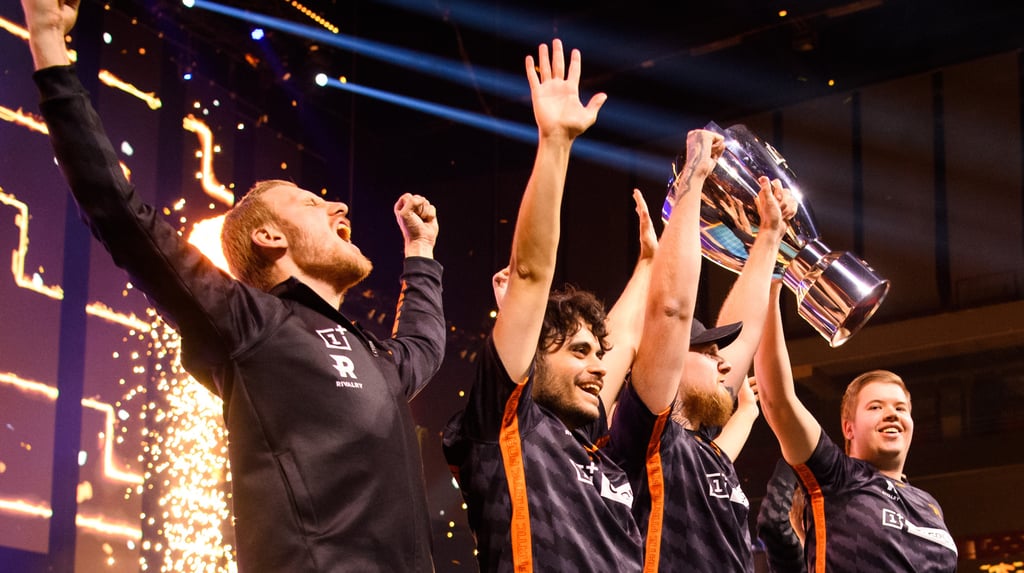
Esports has exploded into a global phenomenon, with professional gamers competing for millions in prize money and millions more watching from home. But while the spotlight shines on lightning-fast reflexes and strategic brilliance, an often-overlooked factor fuels these elite performances: physical and mental fitness. Contrary to the stereotype of gamers as sedentary snack enthusiasts, top esports athletes are increasingly prioritizing fitness to stay sharp off the screen. Here's why fitness is becoming a cornerstone of esports success and how players are integrating it into their high-stakes world.
The Physical Demands of Esports
At first glance, esports might seem like a purely mental game. Players sit at desks, eyes locked on screens, fingers dancing across keyboards or controllers. Yet, the physical toll is real. Marathon gaming sessions—sometimes lasting 8-12 hours during practice or tournaments—require stamina, focus, and resilience. Poor posture, repetitive strain injuries like carpal tunnel syndrome, and eye strain from prolonged screen time are common pitfalls. Add to that the mental fatigue from split-second decision-making and high-pressure matches, and it’s clear that esports demands more than just quick thumbs.
Physical fitness directly impacts performance. Studies show that regular exercise improves cognitive function, reaction time, and stress management—all critical for outplaying opponents in games like League of Legends, Counter-Strike, or Valorant. A 2021 study from the German Sport University Cologne found that esports players with higher aerobic fitness levels had better in-game decision-making and sustained focus during long sessions. Simply put, a healthy body supports a sharper mind.
Building a Fitness Routine for Gamers
Professional esports teams are catching on, hiring trainers, nutritionists, and psychologists to keep players in top form. But you don’t need a pro contract to adopt fitness habits that boost your game. Here’s how gamers at all levels are staying sharp off the screen:
1. Physical Exercise: Powering Up the Body
Cardio for Endurance: Activities like running, cycling, or even brisk walking increase blood flow to the brain, enhancing focus and reaction time. Pros like those on Team Liquid have incorporated HIIT (high-intensity interval training) to mimic the bursts of intensity in matches.
Strength Training: Core and upper-body exercises improve posture, reducing back and neck pain from long gaming sessions. Resistance bands or bodyweight exercises like planks and push-ups are gamer-friendly and require minimal equipment.
Mobility and Stretching: Wrist stretches, yoga, or foam rolling can prevent repetitive strain injuries and improve flexibility. Many players use 5-10 minute stretch breaks between matches to stay loose.
2. Mental Fitness: Sharpening the Mind
Meditation and Mindfulness: High-pressure moments in esports demand a cool head. Apps like Headspace or simple breathing exercises help players manage stress and maintain focus. Teams like Fnatic have used mindfulness training to prep for big tournaments.
Sleep Hygiene: Sleep is a performance enhancer. Top players aim for 7-9 hours of quality sleep to optimize reaction times and memory consolidation. Avoiding blue light from screens before bed is a common trick.
Cognitive Training: Brain games or reaction-time drills (like aim trainers for FPS games) keep mental reflexes sharp. Some pros even use neurofeedback devices to monitor and improve brain activity.
3. Nutrition: Fuelling the Machine
Balanced Diets: Gone are the days of living on energy drinks and chips. Pros now work with nutritionists to build diets rich in lean proteins, complex carbs, and healthy fats to sustain energy without crashes. Omega-3s from fish or nuts are popular for brain health.
Hydration: Dehydration can slow reaction times by up to 10%, according to research. Players keep water or electrolyte drinks handy to stay sharp.
Timing Meals: Eating light, frequent meals prevents sluggishness during long sessions. Many avoid heavy carbs or sugary snacks that spike and crash energy levels.
The Pro Approach: Fitness in Esports Organizations
Top-tier esports organizations are treating players like traditional athletes. Teams like Cloud9 and T1 have dedicated wellness programs, with gym facilities, scheduled workouts, and mental health support. For example, T1’s headquarters in South Korea includes a gym where players train daily, blending cardio, strength, and flexibility routines tailored to gaming demands. Some teams even track biometric data—heart rate, sleep patterns, and stress levels—to optimize performance.
Tournaments are also adapting. The Overwatch League, for instance, has experimented with mandatory breaks and wellness workshops to combat burnout. Meanwhile, players like Johan “N0tail” Sundstein, a Dota 2 legend, credit yoga and meditation for their mental edge in clutch moments.
Breaking the Stereotype
The image of the unhealthy gamer is fading as esports evolves. Social media platforms show pros sharing gym selfies, meal preps, and mindfulness tips, inspiring fans to follow suit. Community initiatives, like Discord servers dedicated to gamer fitness challenges, are also gaining traction. These efforts highlight a cultural shift: gaming isn’t just about what happens on-screen—it’s about the discipline and health that power those clutch plays.
Tips for Aspiring Gamers
You don’t need a pro team’s budget to get fit for esports. Start small:
Move Daily: Even 20 minutes of walking or bodyweight exercises can make a difference.
Set a Schedule: Block out time for fitness, just like you schedule gaming sessions.
Prioritize Recovery: Stretch, hydrate, and sleep to keep your body and mind primed.
Find a Community: Join fitness-focused gaming groups or Discord for motivation.
The Future of Fitness in Esports
As esports grows, so does the emphasis on holistic player health. Wearable tech, like smartwatches tracking heart rate variability, is becoming a staple for monitoring stress and recovery. Some predict that future esports training camps could resemble those of traditional sports, with strength coaches and sports psychologists as standard staff. Research into esports-specific fitness protocols is also expanding, with universities studying how tailored workouts can shave milliseconds off reaction times or boost strategic thinking.
Esports isn’t just a test of skill—it’s a test of endurance, focus, and resilience. By embracing physical and mental fitness, gamers are rewriting the narrative, proving that peak performance starts off the screen. Whether you’re a casual player or dreaming of the pro stage, a little fitness can go a long way in levelling up your game. So, stretch those wrists, hit the gym, and hydrate—your next victory might depend on it.