
Sports Tourism
A Growing Global Phenomenon
THE BUSINESS OF SPORTOFF THE FIELD
4/9/20254 min read
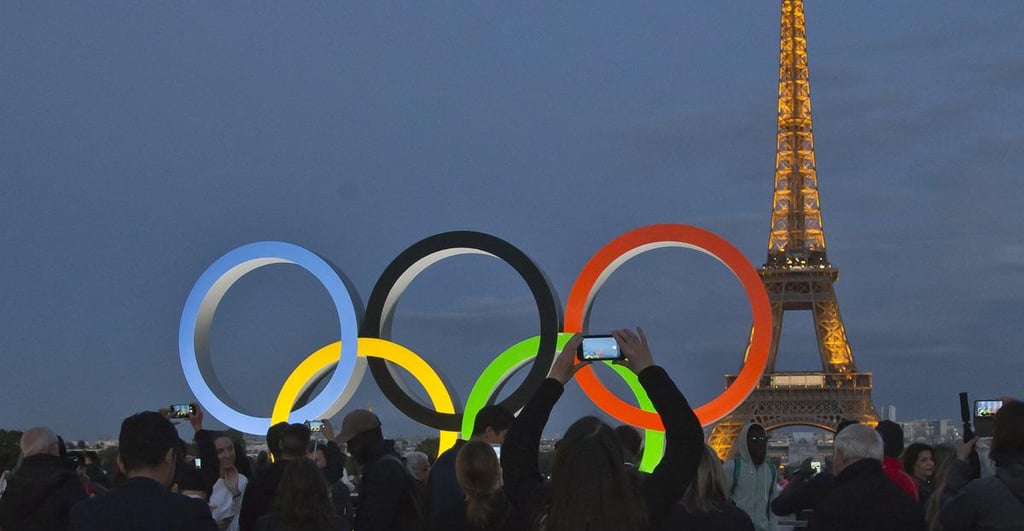
Sports tourism has emerged as one of the fastest-growing sectors within the global travel industry, blending the excitement of athletic competition with the allure of exploration and cultural immersion. Defined as travel motivated by participation in or attendance at sporting events, sports tourism encompasses a wide range of activities—from spectators flocking to mega-events like the Olympics and FIFA World Cup to adventure enthusiasts seeking to ski, surf, or climb in exotic locales. This article delves into the evolution, economic significance, cultural implications, and future trends of sports tourism, illustrating why it has become a powerhouse in the modern travel landscape.
The Evolution of Sports Tourism
The concept of traveling for sports is not new. Ancient Greeks journeyed to Olympia to witness the original Olympic Games, a tradition dating back to 776 BCE. Similarly, medieval tournaments drew knights and spectators across regions. However, the modern era of sports tourism began to take shape in the 20th century with the globalization of professional sports and advancements in transportation. The 1966 FIFA World Cup in England, for instance, marked a turning point, as international fans began traveling in significant numbers to support their teams.
Today, sports tourism has expanded beyond traditional spectator events. It includes participatory activities like marathons, golf tournaments, and extreme sports, as well as "soft" sports tourism, such as hiking or yoga retreats. The rise of niche markets like fantasy sports camps or training with professional athletes has further diversified the field, catering to both casual fans and dedicated enthusiasts.
A Multi-Billion Dollar Industry
The economic footprint of sports tourism is staggering. According to industry estimates, the global sports tourism market was valued at over $600 billion in 2023, with projections suggesting it could surpass $1 trillion by 2030. This growth is fuelled by major events, infrastructure investments, and the ripple effects on local economies.
Mega-events like the Super Bowl, Tour de France, or Wimbledon generate massive revenue streams. For example, the 2022 FIFA World Cup in Qatar reportedly attracted over 1.4 million international visitors, contributing billions to the host nation’s economy through ticket sales, hospitality, and retail. Beyond the headline figures, these events stimulate job creation—hotels hire extra staff, restaurants extend hours, and transportation networks expand to accommodate influxes of visitors.
Smaller-scale events also play a vital role. Cities like Boston and New York see significant boosts from their annual marathons, with runners and their families spending on accommodations, dining, and sightseeing. Rural areas benefit too; ski resorts in Colorado or surfing hubs in Australia draw seasonal crowds that sustain local businesses year-round.
However, the economic benefits come with challenges. Host cities often face high infrastructure costs, and not all investments yield long-term returns. The 2016 Rio Olympics, for instance, left behind underutilized venues, raising questions about sustainability and planning.
Cultural Exchange and Community Identity
Sports tourism is more than an economic driver—it’s a cultural bridge. When fans travel to cheer for their teams or athletes compete abroad, they bring their traditions and absorb those of their hosts. The 2019 Rugby World Cup in Japan exemplified this, as international visitors embraced Japanese customs like onsen bathing and sake tasting, while locals adopted rugby chants and face paint.
For host communities, sports events reinforce identity and pride. Barcelona’s transformation after the 1992 Olympics turned it into a global tourism hotspot, showcasing Catalan culture to the world. Similarly, the Caribbean’s cricket tournaments highlight regional heritage, drawing visitors to experience calypso music and island cuisine alongside the matches.
Yet, cultural exchange can have downsides. Over tourism during events like the Running of the Bulls in Pamplona has strained local resources and sparked debates about authenticity versus commercialization. Balancing visitor influx with resident well-being remains a key challenge.
Types of Sports Tourism
Sports tourism can be broadly categorized into three types:
Event-Based Tourism: This involves travel to attend high-profile competitions. Think of the millions who descend on Paris for the Summer Olympics or Melbourne for the Australian Open. These events often require significant planning, from securing tickets to booking flights months in advance.
Active Sports Tourism: Here, travellers participate rather than spectate. Marathoners running the Great Wall of China race, cyclists tackling the Alps, or divers exploring the Great Barrier Reef fall into this category. These trips often combine physical challenge with scenic beauty, appealing to adventure seekers.
Nostalgia or Heritage Tourism: Fans visit iconic sports sites, such as Wembley Stadium, Yankee Stadium, or the Baseball Hall of Fame in Cooperstown. These pilgrimages celebrate history and legacy, often attracting families and lifelong enthusiasts.
Sustainability and the Future
As sports tourism grows, so does its environmental footprint. Air travel for international events, construction of stadiums, and waste from large crowds pose sustainability challenges. In response, organizations are innovating. The 2024 Paris Olympics was the most sustainable yet, with plans to halve carbon emissions through renewable energy and reusable infrastructure were executed to perfection.
Technology is also shaping the future. Virtual reality (VR) could allow fans to "attend" events remotely, reducing travel emissions, while apps streamline ticketing and crowd management. Meanwhile, emerging markets like Africa and Southeast Asia are positioning themselves as sports tourism hubs, with events like the African Cup of Nations gaining global traction.
Sports tourism is a dynamic force, intertwining passion, economics, and culture on a global stage. It offers unparalleled opportunities for connection—between people, places, and pastimes—while driving innovation in travel and hospitality. Yet, its growth demands careful stewardship to ensure benefits outweigh costs, both financially and environmentally. As the world gears up for events like the 2026 FIFA World Cup across the U.S., Canada, and Mexico, sports tourism’s trajectory seems boundless, promising to unite fans and adventurers in ever-evolving ways. Whether you’re cheering from the stands or racing across a finish line, this phenomenon proves that sports are more than a game—they’re a journey.