
Real Betis Unveils Ground-breaking Jersey Made from Invasive Algae Fibres
THE BUSINESS OF SPORTTECHNOLOGY & INNOVATION
4/11/20253 min read
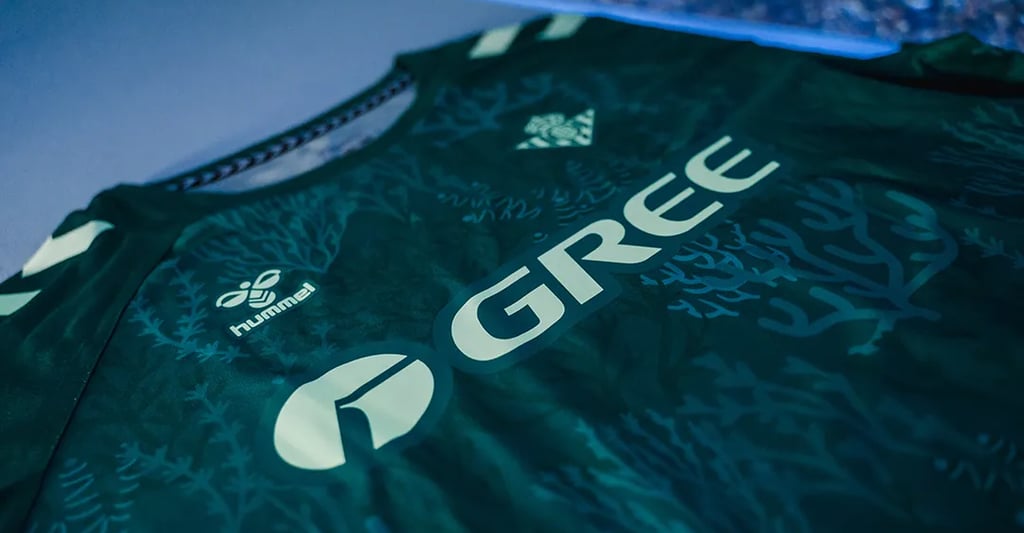
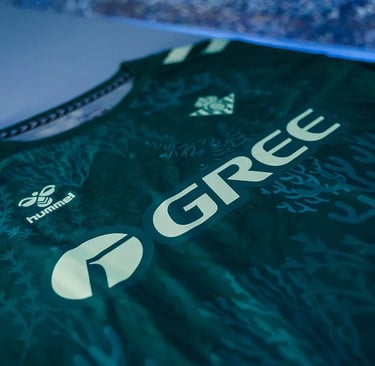
In a bold step toward sustainability and innovation, Real Betis, the beloved Spanish football club based in Seville, has introduced a revolutionary new jersey crafted from fibres derived from invasive algae. Announced in February 2025, this pioneering initiative not only showcases the club’s commitment to environmental responsibility but also sets a new standard for eco-friendly sportswear in the football world.
A Green Solution to an Ecological Problem
The idea behind the jersey stems from a collaboration between Real Betis and a cutting-edge Spanish textile company specializing in sustainable materials. Invasive algae, such as the notorious Rugulopteryx okamurae that has plagued Spain’s southern coastlines in recent years, have long been an ecological nuisance. These fast-growing species choke marine ecosystems, disrupt fishing industries, and wash up in unsightly heaps on beaches, posing a significant challenge for coastal communities.
Rather than viewing this algae as a problem, Real Betis and their partners saw an opportunity. By harvesting the invasive species and processing it into biodegradable fibres, they’ve turned an environmental threat into a resource. The resulting fabric is lightweight, breathable, and durable—perfect for the rigors of professional football—while boasting a significantly lower carbon footprint than traditional polyester, which is typically derived from petroleum.
Design and Symbolism
The jersey itself is a striking blend of tradition and innovation. Retaining the club’s iconic green-and-white vertical stripes, the design incorporates subtle wave-like patterns inspired by the algae’s aquatic origins and the Guadalquivir River that flows through Seville. The kit’s tagline, “From the Sea to the Pitch,” encapsulates the journey of the material and underscores the club’s deep ties to its local environment.
Real Betis president Ángel Haro described the project as a “natural fit” for the club. “We are a team rooted in our community and its values,” Haro said at the unveiling. “This jersey reflects our pride in Seville and our responsibility to protect the world we live in. It’s more than just a uniform—it’s a statement.”
A Model for Sustainability in Football
The move comes at a time when the sports industry is under increasing pressure to address its environmental impact. Football clubs, with their massive global followings, are uniquely positioned to influence consumer behaviour and promote sustainable practices. Real Betis’ algae-fibre jersey is a tangible step in that direction, offering a scalable model that other teams could adopt.
Experts estimate that producing the jersey emits 40% less CO2 compared to conventional synthetic kits, and because the algae is biodegradable, it reduces the long-term waste associated with discarded sportswear. The club has also pledged to donate a portion of the proceeds from jersey sales to marine conservation efforts along the Andalusian coast, further amplifying the project’s positive impact.
Fan Reception and Beyond
Early reactions from the Betis faithful have been overwhelmingly positive. Supporters have praised the club for blending innovation with its storied identity. “It’s brilliant to see our colours made from something that’s helping the planet,” said a long-time fans “I’ll be proud to wear this at the Benito Villamarín.”
The jersey made its on-field debut during Real Betis’ a La Liga home match, with limited-edition versions available for purchase shortly after. While the initial production run is small—reflecting the experimental nature of the material—the club has hinted at plans to expand the use of algae-based fibres across its merchandise lines if the initiative proves successful.
Setting a Precedent
Real Betis’ algae-fibre jersey is more than a one-off gimmick; it’s a proof of concept that could ripple across the football world and beyond. As climate change continues to challenge industries globally, the intersection of sport, science, and sustainability may well become the playbook of the future. For now, Los Verdiblancos are leading the charge, proving that even a football club can turn the tide on environmental issues—one jersey at a time.