
One World, Many Games
Why Global Sport Still Connects Us All
AROUND THE GLOBE
1/1/20265 min read
In a world increasingly divided by politics, economics, and cultural clashes, there's one arena where borders blur and rivalries transcend into shared human experiences: global sport. From the thunderous roars of packed stadiums to the quiet tears of historic triumphs, 2025 reminded us why sports remain a universal language. Whether it was the electric atmosphere of the FIFA Club World Cup in the United States or the emotional rollercoaster of the Women's Rugby World Cup in England, sports delivered moments that united billions across continents. This year, as fans from Tokyo to Toronto cheered, cried, and celebrated together, we saw undeniable proof that in one world with many games, sport still connects us all.
Consider the packed stadiums that turned into melting pots of humanity. Take the FIFA Club World Cup final at MetLife Stadium in New Jersey on July 13, where Chelsea lifted the trophy after defeating Paris Saint-Germain. Over 80,000 fans from dozens of countries crammed into the venue, waving flags from England, France, Brazil, and beyond. The match wasn't just about the goals; it was about the stories. Chelsea's Reece James, hoisting the cup amid fireworks, symbolized a club built on global talent—from African stars to South American flair—coming together for glory. Even U.S. President Donald Trump, in attendance, reacted with visible excitement, bridging the gap between politics and play. This event, expanded to include more clubs from underrepresented regions like Africa and Asia, showcased how FIFA's revamped tournament fostered inclusivity, drawing in viewers from 200+ territories and sparking online conversations that crossed language barriers.
But unity isn't always about victory; sometimes it's forged in tragedy. Liverpool's Premier League campaign in 2025 was a poignant example. The Reds clinched the title against Tottenham at Anfield on April 27, with Mohamed Salah capturing the moment in a selfie with ecstatic fans. Yet, joy turned to sorrow when players Diogo Jota and his brother Andre Silva perished in a car crash later that year. The funeral saw captain Virgil van Dijk and teammate Andrew Robertson leading a procession of mourners, including fans from rival clubs who set aside enmities to pay respects. Social media flooded with tributes using #YNWA (You'll Never Walk Alone), Liverpool's anthem that became a global symbol of solidarity. This heartbreak reminded us that sports communities extend beyond the pitch, offering comfort and connection in our darkest hours.
Historic firsts in 2025 further amplified sport's connective power by breaking barriers and inspiring across cultures. Mikaela Shiffrin's 100th World Cup win in alpine skiing stood out as a monumental achievement. The American, recovering from a devastating crash that nearly ended her career, triumphed in Italy, later pushing her tally to 105. Fans worldwide, from snowy Alps villages to urban American cities, celebrated her resilience. Similarly, Lindsey Vonn's comeback at 41, winning a World Cup downhill by nearly a second after knee surgery, defied age and injury stereotypes, motivating athletes globally to push limits. These stories transcended skiing, becoming emblems of perseverance that resonated in places far from the slopes.
Women's sports, in particular, exploded with unifying force this year. The first all-female boxing card at Madison Square Garden drew 19,721 fans and six million Netflix viewers, headlined by Katie Taylor's title defense against Amanda Serrano. This historic event, featuring unified title fights, highlighted gender equality in a male-dominated sport, with fighters from Ireland, Puerto Rico, and beyond showcasing diverse backgrounds. It wasn't just punches thrown; it was a cultural statement, inspiring young girls worldwide to dream big. In soccer, England's Lionesses defended their UEFA Women's Euro title in a thrilling penalty shootout against Spain at St. Jakob-Park in Basel. Chloe Kelly's decisive kick echoed the team's 2022 heroics, but this time with a record crowd, proving women's football's growing global appeal. Attendance soared, with fans from across Europe uniting in chants and cheers, blurring national lines in shared admiration.
Tennis provided some of the most dramatic cross-cultural narratives. Coco Gauff's French Open victory at 21, defeating Aryna Sabalenka in a gruelling final, marked her second major and solidified her as a global icon. The American's win, watched by millions, inspired young players in Africa and Asia, where tennis infrastructure is budding. On the men's side, Carlos Alcaraz's epic five-set comeback against Jannik Sinner—saving three match points in a match hailed as one of the greatest ever—captured the world's imagination. The Spanish prodigy's flair against the Italian's power symbolized the sport's evolution, drawing fans from Latin America to Europe in collective awe.
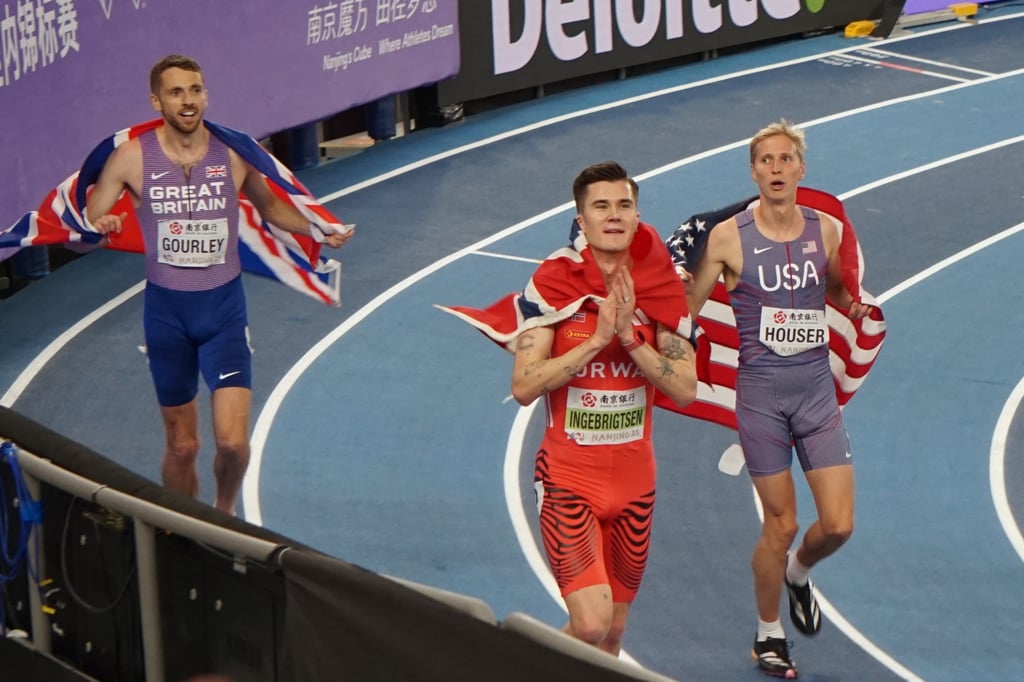
The World Athletics Championships in Tokyo brought nations together in September, with Noah Lyles earning bronze in the 100m and celebrating with long jump gold medallist Tara Davis-Woodhall. This cross-event unity highlighted track and field's communal spirit, as athletes from over 200 countries competed under one roof. Sydney McLaughlin-Levrone's world-record 400m hurdles run of 47.78 seconds, where two women broke 48 seconds, pushed boundaries and united fans in applause for human potential.
Basketball's global reach shone through A'ja Wilson's buzzer-beater in the WNBA Finals, securing the Las Vegas Aces' third title in four years and her fourth MVP. The shot, with 0.3 seconds left, electrified arenas worldwide, while the league's All-Star protest—players donning "Pay Us What You Owe Us" shirts—united athletes in advocacy for fair pay amid record revenues. In college hoops, Paige Bueckers led UConn to their 12th title, ending a drought and earning top WNBA draft honors, her story of teamwork resonating across borders.
Cricket's emotional depth was evident in India's women's team winning their first World Cup on home soil, captained by Harmanpreet Kaur. Rallying from early losses to defeat South Africa, with Shafali Verma's 87 and Deepti Sharma's five wickets, the victory united a billion fans in jubilation, bridging urban-rural divides. The Ashes series between Australia and England, for both men and women, further connected Commonwealth nations through fierce yet respectful rivalry.
Boxing's mega-event between Terence Crawford and Canelo Alvarez at Allegiant Stadium drew 70,000 fans and 41 million streams, with Crawford becoming the first male to win undisputed titles in three weight classes. This cross-border clash—American vs. Mexican—turned rivals into mutual respecters, fostering cultural exchange.
Rugby amplified unity too. England's women's team lifted the World Cup at Twickenham with a record 81,885 fans, a 518% attendance jump from 2010. Zoe Aldcroft's trophy lift symbolized empowerment, drawing global viewers. In handball, Denmark's men's championship win against Croatia in Oslo's Unity Arena lived up to its name, with players celebrating amid international camaraderie.
Baseball's World Series Game 7 between the Dodgers and Blue Jays, an 11-inning thriller ending with Mookie Betts' double play, was dubbed the century's best game. Fans from North America and Japan (thanks to Shohei Ohtani's influence) united in the drama.
Golf's Ryder Cup and Rory McIlroy's Masters career slam added layers, with McIlroy's playoff win completing his grand slam and inspiring Irish fans worldwide.
Even in niche sports like the PWHL's expansion to Vancouver and Seattle, sold-out arenas with stars like Hilary Knight showcased hockey's growing inclusivity.
These moments—from packed stadiums echoing with diverse voices to historic firsts shattering ceilings—illustrate sport's enduring magic. In 2025, amid global challenges, sports offered escape, empathy, and connection. As we look to 2026's World Cup and Olympics, remember: in one world with many games, we're all on the same team.