
Giving Back, Smarter
How Athletes Are Redefining Sports Philanthropy
OFF THE FIELD
1/10/20264 min read
In the crisp air of a December morning in 2025, Baltimore Ravens stars Lamar Jackson and Derrick Henry traded their gridiron glory for a moment of profound humility. Kneeling before a group of local students, the duo washed the kids' feet in a symbolic act of service, blending faith, community outreach, and raw vulnerability. This wasn't just a photo op; it was a deliberate effort to inspire the next generation, showing that true strength lies in lifting others up. Acts like this are becoming the new playbook for sports philanthropy, where athletes aren't just writing checks—they're architecting sustainable change with data, technology, and personal investment.
Gone are the days when an athlete's giving was limited to signing autographs at a charity golf tournament or posing with oversized checks. Today's sports stars are redefining philanthropy by leveraging their platforms, fortunes, and even their on-field performances in innovative ways. They're building ecosystems of impact that address systemic issues like education, health equity, and mental wellness. Organizations like Athletes for Hope are at the forefront, connecting athletes with causes and amplifying their efforts to create lasting societal shifts. This evolution isn't accidental; it's a smarter, more strategic approach driven by a generation of athletes who view giving back as an extension of their brand and legacy.
Consider the rise of Name, Image, and Likeness (NIL) deals in college sports, which have transformed student-athletes into mini-entrepreneurs. Since the NCAA's policy shift in 2021, athletes can now monetize their personal brands, and many are channelling those earnings into social good. For instance, Iowa's Tavion Banks used his NIL funds to donate cleats to kids in his hometown, ensuring young athletes have the gear they need to pursue their dreams. This isn't mere handouts; it's targeted investment in underserved communities, often informed by the athletes' own experiences growing up without resources. The NIL for Good initiative encourages this, harnessing the power of young influencers to drive social impact while building their resumes beyond the field.
Professional athletes are taking it further by tying their philanthropy directly to their performance metrics, creating a gamified model of giving that incentivizes excellence while guaranteeing results. Kansas City Chiefs quarterback Patrick Mahomes, for example, donates $1,500 for every touchdown he scores, directing funds to under-served kids who "train harder than me by 100 times every single day." This per-touchdown pledge not only motivates Mahomes but also engages fans, turning each score into a communal victory for charity. Similarly, NHL legend Alex Ovechkin has partnered with the V Foundation for Cancer Research, pledging to donate an amount equal to his career goal total for every goal he nets for the rest of his career. As Ovechkin chases Wayne Gretzky's all-time goals record, his chase becomes "The GR8 Chase for Victory Over Cancer," blending athletic pursuit with life-saving research funding.
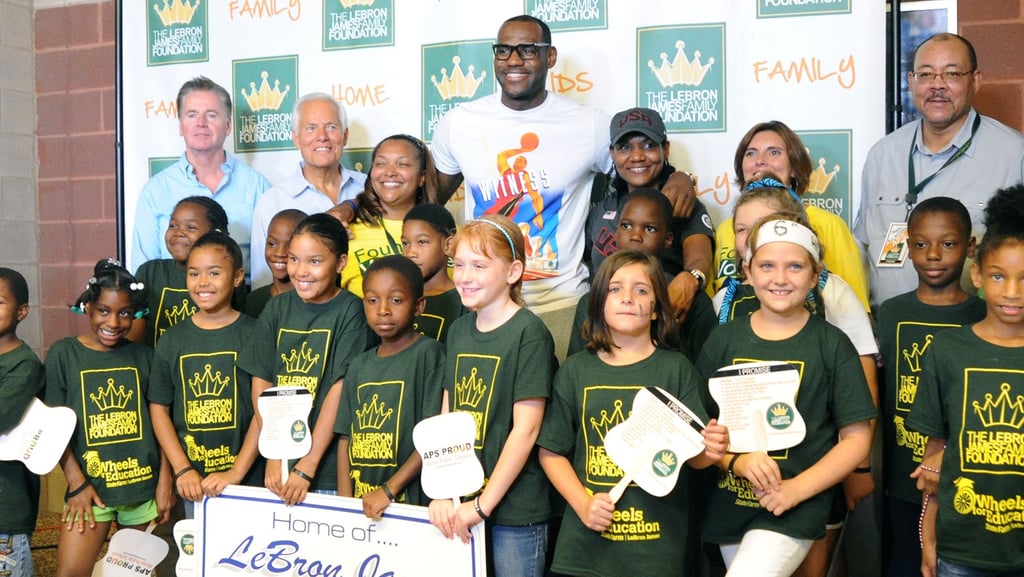
Basketball icons are leading the charge in education-focused initiatives, recognizing that knowledge is the ultimate equalizer. LeBron James, often hailed as the most charitable athlete alive, has donated over $41 million to send 1,100 students to college through his I Promise School and related programs. But James's approach is smarter than sheer volume; it's holistic. The I Promise network provides not just tuition but wraparound services like family support, mental health resources, and career training, ensuring long-term success. This model has inspired others, like former NBA star Allen Iverson, who through his CrossOver Foundation empowers youth dreams via donations to Boys & Girls Clubs, charity games, and mentorship.
Women's sports are experiencing a philanthropy boom, fuelled by increased visibility and endorsement deals. Tennis great Naomi Osaka has reshaped conversations around mental health in athletics, using her platform to advocate for well-being after her own public struggles. Osaka's efforts extend to funding initiatives that provide therapy access for young athletes, addressing a gap that's often overlooked in high-pressure sports environments. Meanwhile, retired skier Lindsey Vonn has defended women's teams like the USWNT against critics, emphasizing respect and using her voice to amplify gender equity causes. At Nike's Jordan Brand, female athletes like Napheesa Collier are driving growth by partnering on community programs that empower young girls in sports, blending branding with benevolence.
Football players, with their massive audiences, are innovating in disaster relief and community building. J.J. Watt's 2017 hurricane relief campaign raised over $37 million, demonstrating how social media can mobilize global support in real-time. Today, players like Ohio State's Jeremiah Smith host camps for young athletes, sharing not just skills but life lessons drawn from their journeys. NFL teams are institutionalizing this; the Minnesota Vikings' "Field Goals for Charity" program, sponsored by Innovative Office Solutions, benefits organizations like NMDP by tying donations to on-field success. Even in the holiday season, stars team up with brands like Raising Cane’s to donate thousands of bikes to children, spreading joy while fostering physical activity.
Beyond North America, international athletes are adapting these models to local needs. In Zimbabwe, former footballer Esrom Nyandoro launched his foundation to support vulnerable children with education bursaries, sports training, and life skills workshops, auctioning jerseys to kickstart funding. Scottish runner Eilish McColgan expanded her "Giving Back to Track" program to support 26 athletes in 2025, providing grants that blend athletic development with community uplift.
This smarter philanthropy isn't without challenges. Athletes must navigate tax implications, public scrutiny, and the risk of performative giving. Yet, data-driven approaches—tracking impact through metrics like lives touched or dollars leveraged—are mitigating these. Foundations like Sow Good Now empower "philanthropic athletes" by blending sports with purposeful giving, starting from college levels. Teams are evolving too, moving from one-off events to sustained civic power, such as youth clinics and player-led campaigns that build community trust.
The economic ripple effects are profound. Student-athletes' philanthropy connects them deeply with communities, transcending sports and fostering loyalty that boosts local economies. As athletes build global brands, their giving becomes intertwined with business legacies, like athlete-owned ventures that prioritize impact alongside profit.
Looking ahead, expect more tech integration: AI for matching donors with causes, blockchain for transparent tracking, and virtual reality for immersive charity experiences. Young stars like hockey prospect James Hagens are already pledging donations per Team USA win at the World Juniors to Feeding America, signalling a future where every victory feeds the hungry.
In redefining sports philanthropy, athletes like Michael Jordan—who's opening health clinics with multi-million donations—are proving that the greatest wins happen off the court. They're not just giving back; they're giving forward, smarter, and with purpose. As fans, we get to cheer not only for touchdowns and goals but for the lives transformed in their wake. In 2025, the real MVPs are those who play for something bigger than the game.