
Game On: Why Community Sports Events Are the Heartbeat of Connection
OFF THE FIELDAROUND THE GLOBE
8/18/20253 min read
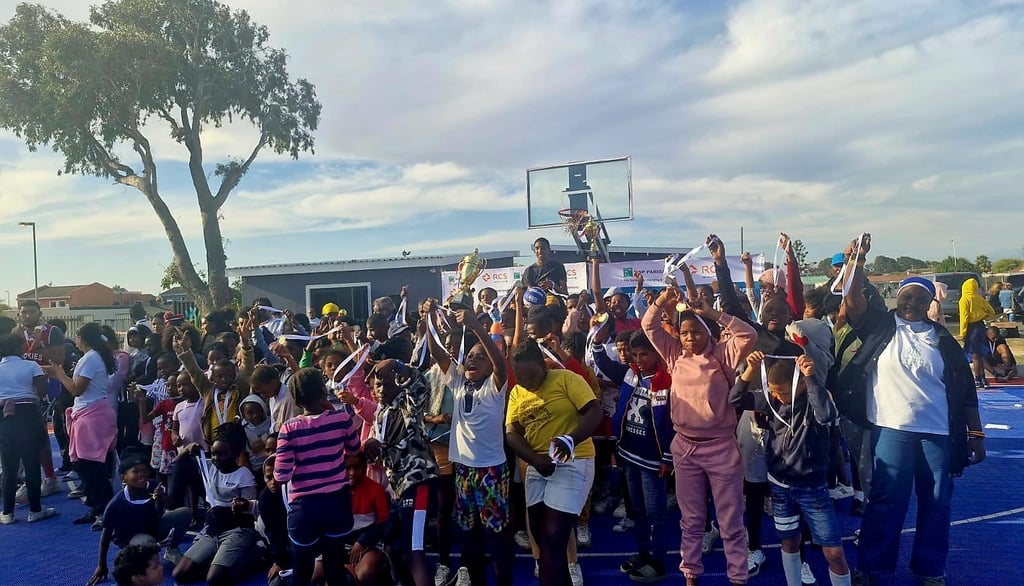
In an era dominated by screens and schedules, community sports events stand as vibrant, unifying forces that knit neighbourhoods together. From pickup soccer games in local parks to annual charity runs, these gatherings are more than just games—they’re lifelines for connection, health, and civic pride. As we navigate a world of increasing isolation and digital overload, the value of community sports has never been clearer. Here’s why they matter more than ever.
Building Bonds in a Fragmented World
Humans are social creatures, yet modern life often pulls us apart. Remote work, social media, and busy lifestyles can erode the sense of belonging that once defined communities. Community sports events—like a weekend softball league or a neighbourhood 5K—counter this drift. They create shared experiences where strangers become teammates and neighbours become friends. A 2023 study by the Aspen Institute found that 70% of adults who participated in community sports reported stronger connections to their local area. When you’re cheering for the same goal or racing side by side, barriers like age, background, or politics melt away.
These events also foster inclusivity. Whether it’s a kid’s tee-ball game or an adult pickleball tournament, community sports welcome all skill levels. They provide a rare space where diversity is celebrated, not just tolerated. For example, events like the Special Olympics or adaptive sports leagues ensure everyone, regardless of ability, can join the fun. In a polarized world, these moments of unity are priceless.
Boosting Physical and Mental Health
The health benefits of community sports are undeniable. Regular physical activity reduces the risk of chronic diseases like diabetes and heart disease, which affect millions globally. But community sports do more than get us moving—they make exercise enjoyable. Unlike the monotony of a gym treadmill, a spirited game of basketball or a charity fun run offers laughter, camaraderie, and purpose. The Centres for Disease Control and Prevention notes that adults who participate in group sports are 30% more likely to meet physical activity guidelines than those exercising alone.
Mental health gets a boost, too. Community sports provide a natural antidote to the loneliness epidemic. A 2024 survey by Cigna found that 58% of Americans report feeling lonely, a figure that’s climbed steadily post-pandemic. Playing on a team or joining a group fitness event releases endorphins and builds a support network. When you’re high-fiving after a goal or sharing water bottles at a finish line, you’re not just burning calories—you’re building resilience and combating stress.
Strengthening Local Economies and Pride
Community sports events are economic engines in disguise. A local marathon or youth soccer tournament draws crowds, filling nearby restaurants, shops, and hotels. The National Association of Sports Commissions estimates that community sports events generate $11 billion annually in the U.S. alone, supporting small businesses and creating jobs. That annual bike race or swim meet isn’t just fun—it’s a boon for the local diner and gas station.
Beyond dollars, these events cultivate civic pride. When a town hosts a well-run tournament or a charity relay, it showcases its spirit and infrastructure. Residents take pride in their parks and facilities, and visitors leave with a positive impression. Think of the small town that rallies around its high school football team or the city that shuts down streets for a marathon. These moments define a place’s identity and remind people why they call it home.
Bridging Generations and Teaching Values
Community sports are a classroom without walls. For kids, they teach teamwork, discipline, and perseverance—skills that translate far beyond the field. For adults, they’re a chance to mentor or reconnect with youthful energy. Intergenerational events, like family fun runs or co-ed volleyball, bridge age gaps, letting grandparents play alongside grandkids. These interactions pass down values and create memories that last a lifetime.
A Call to Get Involved
In 2025, with mental health crises rising and community ties fraying, sports events are a remedy we can’t ignore. They don’t require fancy stadiums or professional athletes—just a field, a ball, or a pair of running shoes. Local governments, schools, and organizations must prioritize funding and promoting these events, ensuring access for all. And individuals? Show up. Join a team, volunteer, or cheer from the sidelines. Your community—and your soul—will thank you.
In a disconnected world, community sports events are a rallying cry for togetherness, health, and pride. They remind us that, sometimes, a simple game is the most powerful play of all.