
From Wrestling Rings to Victory Parades
The Meteoric Rise of WWE's Custom Championship Belts
THE BUSINESS OF SPORT
2/22/20264 min read
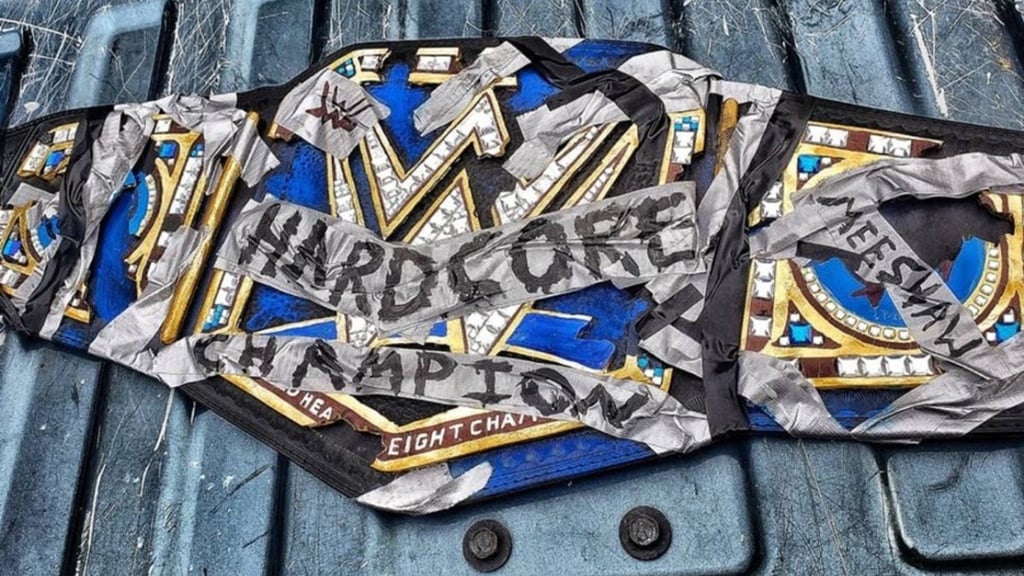
In the world of professional sports, symbols of triumph come in many forms—trophies, rings, and banners. But over the past decade, one unexpected item has emerged as a ubiquitous emblem of success: the custom WWE championship belt. What started as a novelty gift for victorious athletes has transformed into a booming merchandise category, thanks to a strategic partnership between WWE and Fanatics. This accessory, blending wrestling flair with sports prestige, now generates significant revenue while amplifying brand visibility across leagues and cultures.
The story begins in the fall of 2013, following the Boston Red Sox's World Series victory over the St. Louis Cardinals. Series MVP David Ortiz, a devoted WWE enthusiast, received a replica championship belt from the company. Ortiz's public display of the belt sparked intrigue among athletes in other sports, turning heads and igniting a trend. By the end of that year, NBA star LeBron James was gifted a similar replica by WWE icon Dwayne "The Rock" Johnson for his birthday. The following year, James took it further, commissioning custom belts for his Miami Heat teammates, each featuring the team's logo and individual player names on the side plates.
This organic adoption snowballed into a broader cultural phenomenon. Athletes across disciplines began incorporating the belts into their celebrations, elevating them from mere accessories to potent symbols of achievement. A pivotal moment came in 2017, when the New England Patriots were presented with custom belts after their Super Bowl LI win. WWE produces these items at a cost of a few thousand dollars each, often preparing versions for both competing teams in advance. Paul "Triple H" Levesque, WWE's Chief Content Officer, has described the belts as an inescapable part of victory rituals. In a 2020 interview, he noted how athletes hoist them aloft alongside traditional trophies, with his phone lighting up post-championship with requests for more. "It's become a symbol that you’ve made it," Levesque said, highlighting the pride athletes take in displaying them during parades and events.
As demand surged, WWE recognized an opportunity to expand beyond its core wrestling audience. The company sought to streamline its merchandise operations, shifting focus from global sourcing challenges in places like India and China to its core media and entertainment strengths. This evolution culminated in 2022 with a long-term partnership with Fanatics, fuelled by the close ties between WWE President Nick Khan and Fanatics CEO Michael Rubin. Fanatics, already a powerhouse in merchandise for major U.S. leagues including the NFL, NBA, MLB, NHL, MLS, and NCAA Division I schools, provided the infrastructure to scale WWE's offerings.
The collaboration unlocked new avenues for the championship belts, integrating them into Fanatics' vast ecosystem. Custom versions became available for nearly all of Fanatics' licensed partners, retailing at $599 through the WWE Shop. Marketing efforts leveraged live events, social media, and athlete endorsements to drive growth. Andrew Low Ah Kee, CEO of Fanatics Commerce, praised WWE as a "truly global brand" with resonance among leagues, athletes, and fans, emphasizing the partnership's potential for innovative products.
The belts' visibility exploded, becoming fixtures in sports media and celebrations. They've appeared in Stanley Cup parades, on the field during MLB's Home Run Derby, and even in display cases at events like Fanatics Fest. In college athletics, they've integrated into high-profile games, such as the College Football Playoff national championship and the Big 12 title game, where a co-branded WWE-Big 12 belt is awarded to the Most Outstanding Player. Big 12 Commissioner Brett Yormark lauded the initiative for enhancing cultural relevance, stating it connects with fans and student-athletes through innovative ideas, boosting visibility and value for the conference's 16 members.
WWE now routinely provides custom belts—complete with personalized engravings—to championship teams annually, achieving crossover appeal into mainstream sports and pop culture. This strategy has not only expanded the audience but also driven substantial revenue. Among the variants, NFL-branded belts lead in sales, with the Philadelphia Eagles' Super Bowl LIX edition selling out and ranking among Fanatics' top non-autographed collectibles. Collegiate sales have been particularly explosive, nearly quadrupling since 2023. WWE's licensing now covers 48 schools, with 19 added in September 2025, including powerhouses like Clemson, Ole Miss, and Auburn.
High-end customizations further illustrate the belts' premium appeal. A Shohei Ohtani-signed Los Angeles Dodgers belt fetched nearly $50,000, showcasing the potential for collector's items tied to star athletes. This success reflects the belts' evolution from brand extensions to essential fan merchandise, credited in part to Rubin's vision at Fanatics.
Looking ahead, WWE is poised for further expansion. Building on last year's launch of 11 European soccer team belts, which met strong demand, the company eyes more international leagues and clubs. Plans include individualized belts for prominent athletes and extensions into entertainment properties. Recent media deals with Netflix and ESPN open doors for crossovers with IPs like "Stranger Things" and Marvel, potentially reaching non-sports audiences. Scott Zanghellini, WWE's co-head of revenue, highlighted the "significant growth potential" in areas like individual athletes, international sports, music, and entertainment, underscoring ongoing collaboration with Fanatics.
This trajectory underscores a broader shift in sports merchandising, where entertainment brands like WWE infiltrate traditional leagues to create hybrid products that resonate culturally and commercially. The championship belt's journey from a 2013 gift to a global staple exemplifies how strategic partnerships can turn trends into enduring businesses. As athletes continue to parade them in victory moments, these belts symbolize not just personal triumph but the innovative fusion of worlds in modern sports.