
From Pizza Delivery to Billion-Dollar Empire The Rise of Gymshark’s Ben Francis
The Rise of Gymshark’s Ben Francis
FITNESS & PERFORMANCE
4/15/20255 min read
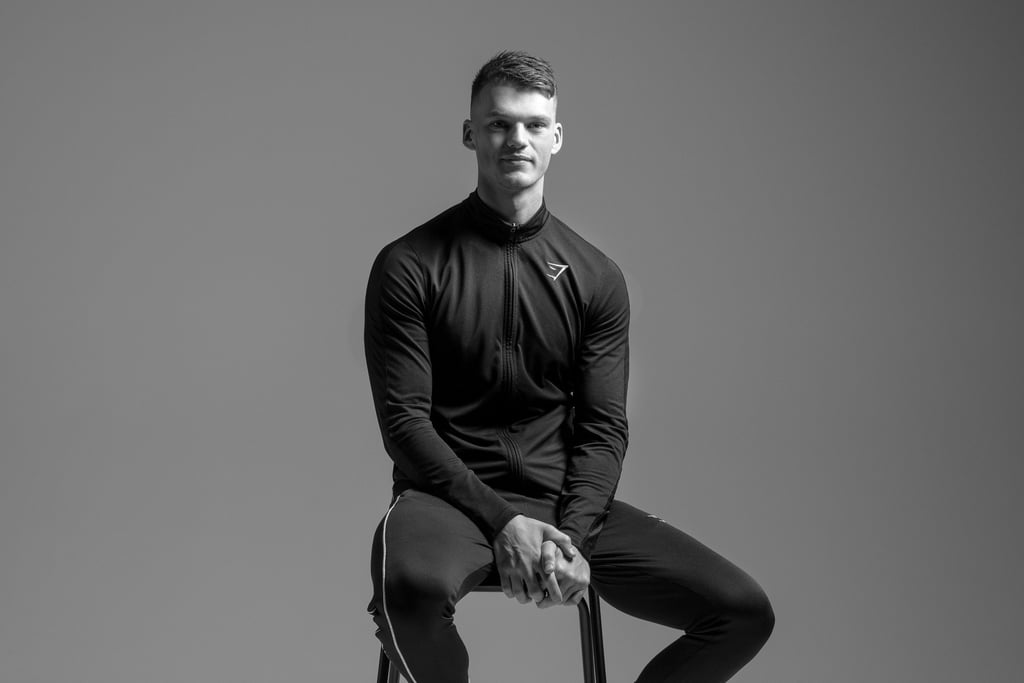
In the world of fitness apparel, few brands have captured the zeitgeist quite like Gymshark. Known for its sleek designs, quality performance wear, and a cult-like following among gym-goers, the company has become a global powerhouse. At the heart of this success story is Ben Francis, a British entrepreneur whose journey from a pizza delivery boy to billionaire founder is as inspiring as it is unconventional.
Early Beginnings: A Teen with a Passion
Born on June 4, 1992, in the West Midlands, England, Benjamin David Francis grew up in Bromsgrove, Worcestershire. As a child, he was obsessed with football, dreaming of a professional career. However, by his teens, he realized he wouldn’t make it as a pro and shifted his focus to other interests: fitness and technology. Francis started going to the gym as a teenager, finding structure and discipline in weightlifting. Around the same time, his curiosity for computing blossomed after taking an IT class at South Bromsgrove High School, where he discovered a knack for practical, skill-based learning.
This blend of passions—fitness and tech—set the stage for his entrepreneurial ventures. Before Gymshark, Francis dabbled in various projects, including an online business selling car number plates and developing two fitness apps, Fat Loss Abs Guide and iPhysique, which gained modest traction on Apple’s charts. These early experiments, though not blockbuster successes, taught him the basics of building and marketing digital products.
The Spark: A Frustration with Gymwear
In 2012, at the age of 19, Francis was a first-year student at Aston University, studying international business and management. To make ends meet, he worked as a delivery driver for Pizza Hut, earning £5 an hour. While balancing lectures, late-night shifts, and gym sessions, he noticed a recurring issue: the gym clothes available at the time were either too baggy, uncomfortable, or made of scratchy synthetic materials. Frustrated by the lack of fitted, stylish workout gear, Francis saw an opportunity to combine his love for fitness with his entrepreneurial drive.
With no formal fashion background, he took a leap of faith. Armed with £1,000 in savings, he bought a sewing machine and a screen printer. His grandmother, a curtain-maker, taught him how to sew—a skill that would prove invaluable. Alongside his school friend Lewis Morgan, Francis launched Gymshark from his parents’ garage in Bromsgrove. The initial idea was simple: create gymwear that looked good, felt great, and catered to a new generation of fitness enthusiasts.
The Humble Start: Dropshipping and Determination
Gymshark didn’t start as an apparel brand. Unable to afford inventory, Francis and Morgan began by dropshipping fitness supplements through the Gymshark website. Dropshipping allowed them to list products without holding stock—when a customer ordered, a third-party supplier would fulfil it, and Gymshark took a small margin. It took six weeks to make their first sale, a testament to Francis’s patience and persistence.
However, supplements were just a stepping stone. Francis’s real vision was to design gymwear that addressed his own frustrations. Using the modest profits from dropshipping and his Pizza Hut earnings, he started crafting apparel in the garage. Early designs were basic—hoodies, stringer vests, and fitted tees—but they were tailored to the aesthetic of modern bodybuilders and fitness fans. Francis’s hands-on approach kept costs low, and his IT skills helped him build a functional website to showcase the products.
The Turning Point: Social Media and BodyPower
Gymshark’s trajectory changed dramatically in 2013, thanks to two pivotal moves. First, Francis embraced social media in a way few brands did at the time. Growing up immersed in YouTube and fitness culture, he reached out to emerging fitness influencers like Nikki Blackketter and Lex Griffin, sending them free Gymshark gear in exchange for honest feedback. These influencers, with thousands of followers, showcased the brand’s apparel in their videos, giving Gymshark authentic exposure to a highly engaged audience. This organic, influencer-driven strategy was revolutionary for its time and laid the foundation for Gymshark’s community-focused ethos.
The second game-changer came at the BodyPower fitness expo in Birmingham in May 2013. Francis took a gamble, emptying Gymshark’s bank account to secure a small booth at the trade show. He flew in YouTube fitness stars he’d connected with online, showcasing his handcrafted apparel to a live audience. The event was a hit, but the real magic happened afterward when a Gymshark tracksuit went viral on Facebook, generating £30,000 in sales within 30 minutes. That moment convinced Francis that Gymshark had potential far beyond a side hustle.
Dropping Out and Doubling Down
With Gymshark gaining momentum, Francis faced a tough decision. Juggling university, Pizza Hut, and a growing business was unsustainable. In 2013, he made the bold choice to drop out of Aston University, despite being the first in his family to attend. His parents supported his decision, and he quit his delivery job to focus on Gymshark full-time. From the garage, he scaled production, refined designs, and leaned heavily into social media marketing.
By 2015, Gymshark was outgrowing its grassroots setup. Francis, then 23, recognized his limitations as a young entrepreneur and stepped down as CEO, taking on roles like chief marketing officer and chief product officer to focus on design and brand-building. Steve Hewitt, a former Reebok director, took the helm to provide structure and experience. This move allowed Francis to hone his skills while the company professionalized, moving to a £5 million headquarters in Solihull in 2018.
Unicorn Status and Beyond
Gymshark’s growth exploded in the late 2010s, fuelled by its influencer strategy, high-quality products, and a direct-to-consumer model. By 2020, the company hit a major milestone when U.S. private equity firm General Atlantic bought a 21% stake, valuing Gymshark at over £1 billion—a rare “unicorn” status for a UK start-up. Francis, owning over 70% of the company, became a billionaire at 28, with a net worth estimated at $1.3 billion by 2023.
In August 2021, Francis returned as CEO, bringing his creative vision back to the forefront. Under his leadership, Gymshark expanded globally, opening its first brick-and-mortar store on London’s Regent Street in 2022 and a second at Westfield Stratford City. The brand also launched a U.S. office in Denver and partnered with retailers like Selfridges. Despite challenges like a stalled IPO and a dip in profits in 2023, Gymshark’s revenue hit record highs, reaching £608 million in 2021 alone.
A Legacy of Grit and Vision
Ben Francis’s story is one of relentless hustle, adaptability, and staying true to his roots. Now 32, he’s not just a businessman but a cultural force, recognized with an MBE in 2023 for services to commerce and named to Forbes’ 30 Under 30 and EY’s UK Entrepreneur of the Year. A car and motorcycle enthusiast and lifelong Aston Villa fan, Francis remains grounded, married to fitness influencer Robin Gallant, with whom he welcomed twin sons in 2022.
Gymshark’s success reflects Francis’s belief in doing what you love. “I fell in love with the gym and technology,” he once said, “and I genuinely think I have the best job in the world.” From sewing in his parents’ garage to leading a billion-dollar brand, Ben Francis has redefined what’s possible for a kid with a dream and a sewing machine. His ambition now? To make Gymshark one of the most iconic British brands of all time—one deadlift at a time.