DFL and LaLiga Join Forces with NFL to Conquer the U.S. Market
THE BUSINESS OF SPORT
4/16/20253 min read
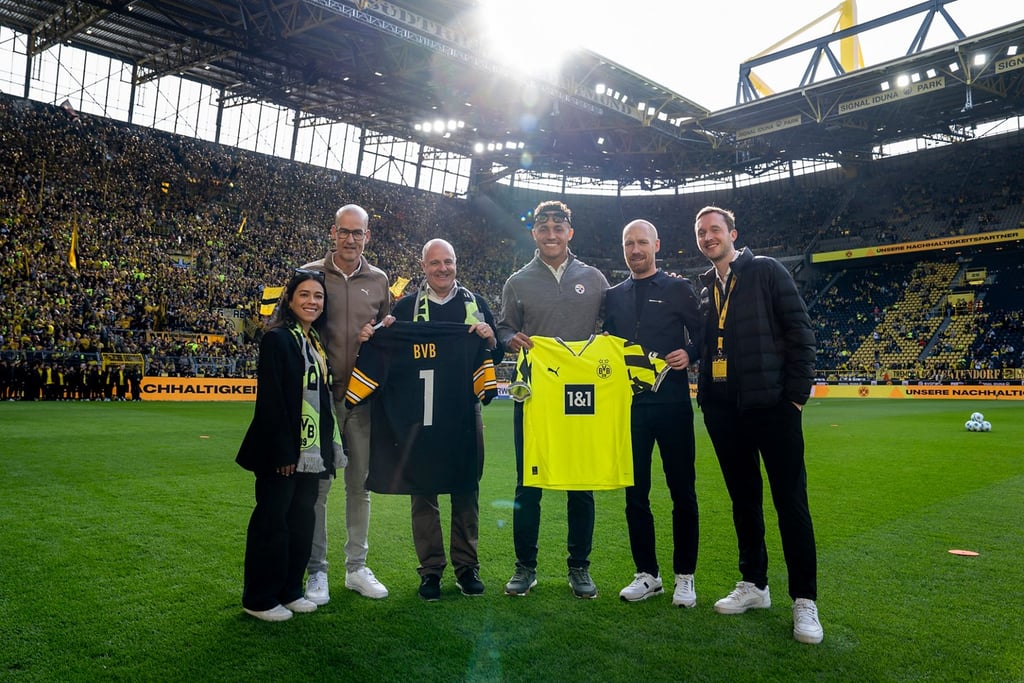
In a bold move to expand their reach across the Atlantic, Germany’s Deutsche Fußball Liga (DFL) and Spain’s LaLiga have forged strategic partnerships with the National Football League (NFL), tapping into the American sports giant’s unparalleled market presence. These collaborations, blending soccer’s global appeal with the NFL’s domestic dominance, signal a new era of cross-sport synergy aimed at capturing the hearts—and wallets—of U.S. fans. These strategic alliances are already reshaping how European soccer leagues approach growth in the world’s most lucrative sports market in order to grow their league.
The DFL’s Playbook: Bundesliga Meets NFL Expertise
The DFL, which governs the Bundesliga, kicked off its NFL partnership in 2022, focusing on a knowledge exchange that spans broadcasting, digital innovation, and fan engagement. The goal? To elevate the Bundesliga’s profile in a U.S. landscape traditionally dominated by American football, basketball, and baseball. A cornerstone of this effort is the DFL’s 17-year deal with Relevent Sports Group, signed in September 2024. This agreement hands Relevent extensive media and sponsorship rights across the Americas, while promising localized content and grassroots initiatives to connect with U.S. audiences.
The NFL’s own international ambitions have greased the wheels for this partnership. Since 2022, the league has hosted regular-season games in Germany, building a fanbase that the DFL can tap into. Take Borussia Dortmund’s 2025 partnership with the Pittsburgh Steelers as a case in point. Under the NFL’s Global Markets Program—which grants teams like the Steelers marketing rights in Germany—the two clubs are collaborating on joint fan events, merchandise, and youth programs. It’s a win-win: the NFL strengthens its foothold in Germany, while the Bundesliga gains a promotional boost in Pittsburgh and beyond.
LaLiga’s Long Game: Leveraging a Decade-Plus with Relevent
LaLiga’s U.S. ambitions predate the DFL’s by several years, rooted in a 15-year joint venture with Relevent Sports Group launched in 2018. This partnership has already borne fruit, from high-profile exhibition matches to growing media exposure. The NFL connection amplifies these efforts, with shared broadcasting on ESPN—home to both NFL games and LaLiga’s U.S. telecasts—offering a platform for cross-promotion. A notable example is the collaboration between the Chicago Bears and Valencia CF, blending NFL muscle with LaLiga flair to engage fans in both sports.
The NFL’s planned 2025 regular-season game in Spain adds another layer. Set to be the league’s first foray onto Spanish soil, it aligns perfectly with LaLiga’s mission to deepen ties with American audiences. By piggybacking on the NFL’s marketing machine, LaLiga can showcase its stars—think Real Madrid’s Vinícius Júnior or Barcelona’s rising talents—to a U.S. public already primed for gridiron action.
A Symbiotic Strategy
At first glance, pairing soccer leagues with an American football behemoth might seem odd. But the logic is sound. The NFL, eyeing global expansion, gains insights into soccer’s operational finesse and passionate fan culture—key ingredients for its push into Europe and beyond. In return, the DFL and LaLiga get access to the NFL’s U.S. infrastructure, from stadium logistics to digital platforms, plus a chance to siphon off some of its 70-million-strong fanbase.
This isn’t about direct competition; it’s about coexistence and mutual benefit. Soccer’s U.S. audience has grown steadily—thanks to the Premier League’s success and the 2026 FIFA World Cup looming—but it still lags behind the NFL’s domestic stranglehold. By aligning with the NFL, the DFL and LaLiga can pitch their product to casual sports fans who might not otherwise tune in. Imagine a Steelers fan stumbling across a Dortmund match on ESPN, or a Bears supporter catching Valencia’s flair during a commercial break. It’s a slow burn, but the potential payoff is massive.
Success isn’t guaranteed. The U.S. sports calendar is crowded, and soccer faces stiff competition from established leagues like the NBA and MLB, not to mention Major League Soccer’s homegrown appeal. Cultural differences also loom large—soccer’s 90-minute flow contrasts sharply with the NFL’s stop-start spectacle. Yet the partnerships are designed to bridge that gap, blending the NFL’s event-driven hype with soccer’s narrative depth.
Early signs are promising. The Bundesliga’s U.S. viewership has ticked up since the NFL tie-in, while LaLiga’s strategic patience continues to build a steady following. The real test will come over the next few years, as these leagues measure fan growth, merchandise sales, and digital engagement against their hefty investments.
The Bigger Picture
The DFL-LaLiga-NFL axis reflects a broader trend: sports leagues are no longer content to dominate their home turfs. Globalization demands bold moves, and cross-sport alliances are the new frontier. For the DFL and LaLiga, the NFL isn’t just a partner—it’s a gateway to a market of untapped potential. For the NFL, soccer offers a blueprint for cracking Europe’s fragmented fanbases. As these titans of sport converge, one thing is clear: the U.S. sports landscape is in for a fascinating shake-up. Whether it’s Bundesliga goals or LaLiga assists, the NFL’s assist might just be the game-changer European soccer needs.