
Confidence, Discipline, Teamwork
Life Skills Kids Learn on the Field
YOUTH SPORTS
8/23/20253 min read
The crack of a bat, the thud of a soccer ball, the squeak of sneakers on a basketball court—sports fields are more than just places for kids to burn energy. They’re vibrant classrooms where young athletes learn life skills that shape their character and future. Confidence, discipline, and teamwork aren’t just buzzwords; they’re the foundation of lessons learned through sweat, cheers, and even the occasional defeat. For kids, the field is where these skills take root, preparing them for challenges far beyond the game.
Confidence: Building Belief One Play at a Time
Every kid starts somewhere—maybe it’s a wobbly first kick or a shaky attempt at a free throw. Sports provide a safe space to try, fail, and try again, fostering confidence with every small victory. When a child nails a tricky pitch or scores their first goal, they’re not just winning points; they’re building self-belief. Studies show that participation in youth sports boosts self-esteem, with 80% of kids in organized sports reporting higher confidence levels, according to a 2023 survey by the Aspen Institute.
Take Mia, a shy 10-year-old who joined her school’s soccer team. Initially hesitant, she dreaded practices. But with encouragement from coaches and teammates, she scored her first goal after weeks of drills. That moment transformed her—she stood taller, spoke up in class, and tackled challenges with newfound courage. The field teaches kids that effort pays off, and every step forward, no matter how small, builds a reservoir of confidence they carry into adulthood.
Discipline: The Grit Behind the Glory
Sports demand discipline, a skill that translates seamlessly into life. From showing up to early-morning practices to sticking to a training regimen, kids learn that success requires commitment. Coaches instil routines—stretching before a game, practicing free throws, or running laps—that teach kids to prioritize and persevere. A 2024 study from the Journal of Youth Development found that kids in sports were 30% more likely to develop strong time-management skills compared to non-athletes.
Consider Ethan, a 12-year-old track runner. He hated waking up for 6 a.m. practices, but his coach emphasized that consistency builds champions. Over time, Ethan not only improved his sprint times but also started managing his homework and chores without reminders. The discipline of the field—showing up, pushing through fatigue, and staying focused—became a blueprint for tackling school projects and personal goals. Sports teach kids that hard work isn’t glamorous, but it’s the backbone of achievement.
Teamwork: Winning Together, Growing Together
Perhaps the most enduring lesson from sports is teamwork. Whether it’s passing the ball in soccer or coordinating a play in football, kids learn that no one succeeds alone. Team sports require communication, trust, and sacrifice—skills critical in workplaces and relationships later in life. A 2025 report from the National Federation of State High School Associations noted that 90% of student-athletes felt sports improved their ability to collaborate effectively.
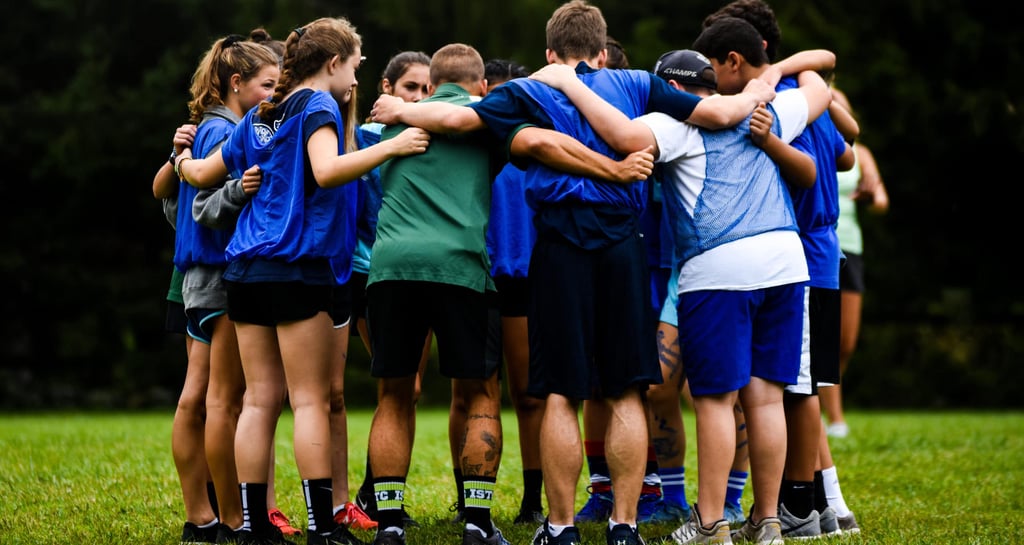
Take the example of a youth basketball team facing a tough opponent. Down by 10 points, the players could’ve crumbled under pressure. Instead, they huddled, strategized, and executed a comeback by trusting each other’s strengths—passing to the best shooter, relying on the tallest kid for rebounds. That game wasn’t just a win; it was a lesson in unity. Kids learn to celebrate collective victories, share blame in losses, and value diverse roles, from star players to supportive benchwarmers. These experiences shape empathetic, cooperative individuals ready to thrive in group settings.
Beyond the Scoreboard
The beauty of sports lies in their ability to teach without preaching. Kids don’t realize they’re learning life skills when they’re chasing a ball or cheering for a teammate—they’re just having fun. Yet, these moments on the field build resilience, accountability, and camaraderie. Losses teach humility; victories teach grace. Coaches and teammates become mentors and allies, creating a support system that reinforces these lessons.
Parents and educators can amplify these benefits by encouraging participation and focusing on growth over trophies. Whether it’s soccer, swimming, or track, the field is a proving ground where kids discover who they are and who they can become. Confidence, discipline, and teamwork aren’t just skills for the game—they’re the tools kids carry into classrooms, careers, and communities, proving that the lessons learned on the field last a lifetime.