Chess Culture in Tamil Nadu
A Legacy of Strategy and Passion
TRADITION & HISTORYAROUND THE GLOBE
5/14/20254 min read
Tamil Nadu, a state in southern India, has emerged as a powerhouse in the global chess arena, earning the moniker "Chess Capital of India." The region's vibrant chess culture is deeply rooted in its history, nurtured by passionate players, dedicated institutions, and a supportive ecosystem that has produced some of the world's finest chess talents. From bustling urban centres to quiet rural towns, Tamil Nadu's love for chess transcends socio-economic boundaries, making it a cultural phenomenon that continues to inspire generations.
Historical Roots of Chess in Tamil Nadu
Chess, believed to have originated in India as Chaturanga around the 6th century, has ancient ties to the subcontinent. Tamil Nadu, with its rich intellectual and cultural heritage, embraced the game early on. While traditional board games like Pallankuzhi and Aadu Puli Aattam were popular in the region, chess found a special place due to its strategic depth and universal appeal. By the 20th century, chess began to flourish in Tamil Nadu, particularly in Chennai, the state capital, which became the epicentre of the game's growth.
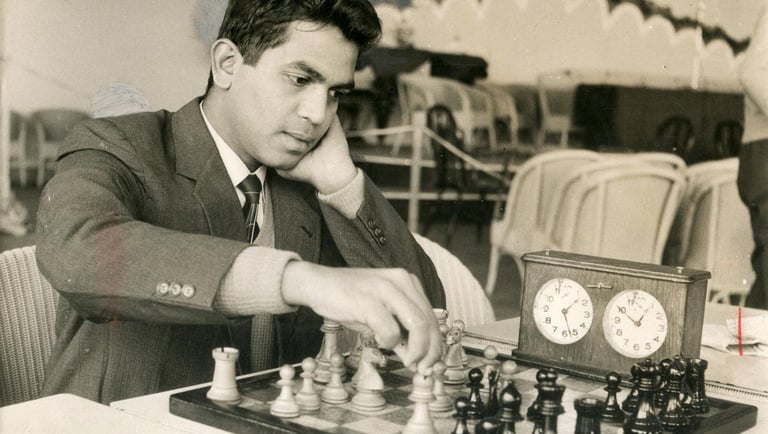
The 1970s marked a turning point when Viswanathan Anand, a Chennai native, began his meteoric rise. Anand's success, including becoming India's first Grandmaster in 1988 and the World Chess Champion in 2007, ignited a chess revolution in Tamil Nadu. His achievements inspired countless young players, transforming chess into a household aspiration and a symbol of intellectual pride.
Chennai: The Heart of Indian Chess
Chennai is synonymous with chess in India. The city hosts prestigious tournaments, world-class academies, and the headquarters of the Tamil Nadu Chess Association, which plays a pivotal role in organizing events and nurturing talent. The Velammal International School in Chennai, for instance, has produced numerous young prodigies, including Grandmasters like R. Praggnanandhaa and D. Gukesh.
The city's chess culture is also bolstered by iconic institutions like the Mikhail Tal Chess Club and the Chess Gurukul, founded by Grandmaster R.B. Ramesh. These academies provide rigorous training, blending traditional coaching with modern technology, such as chess engines and online platforms. Chennai's hosting of the 2013 World Chess Championship match between Anand and Magnus Carlsen, followed by the Chess Olympiad in 2022, cemented its status as a global chess hub. The Olympiad, held in Mamallapuram, showcased Tamil Nadu's organizational prowess and hospitality, drawing thousands of players and enthusiasts from over 180 countries.
Grassroots Movement and Accessibility
What sets Tamil Nadu's chess culture apart is its grassroots reach. Chess is not confined to elite circles; it is a game for everyone. Schools across the state integrate chess into their curricula, and local tournaments are held in towns and villages, fostering a competitive spirit from a young age. The Tamil Nadu government has supported this growth by providing infrastructure, funding, and recognition for young talents. Initiatives like free chess coaching in government schools and subsidies for tournament participation have democratized access to the game.
The affordability of chess also contributes to its popularity. Unlike sports requiring expensive equipment or facilities, chess requires only a board and pieces, making it accessible to families across economic strata. This inclusivity has enabled players from modest backgrounds, such as Gukesh, Praggnanandhaa, and P. Harikrishna, to rise to international prominence.
The Prodigy Pipeline
Tamil Nadu's chess culture is defined by its ability to produce prodigies consistently. The state has contributed a significant share of India's Grandmasters, with players like D. Gukesh, who became the youngest-ever World Chess Championship challenger in 2024 at age 17, and R. Praggnanandhaa, who defeated Magnus Carlsen in 2022 at age 16, leading the charge. Other notable names include P. Harikrishna, S.P. Sethuraman, and Aravindh Chithambaram, all of whom have made their mark on the global stage.
This pipeline of talent is no accident. Tamil Nadu's chess ecosystem emphasizes early identification of potential, rigorous coaching, and exposure to high-level competition. Parents, too, play a crucial role, often sacrificing personal ambitions to support their children's chess careers. The success of these young players has created a virtuous cycle, inspiring more children to take up the game and fuelling a culture of excellence.
Community and Cultural Significance
Chess in Tamil Nadu is more than a game; it is a way of life. Local chess clubs, cafes, and parks are vibrant hubs where players of all ages gather to play, discuss, and analyze games. Tournaments, ranging from school-level events to international opens, are celebrated with fervour, drawing large crowds and media attention. The state's chess community is tightly knit, with Grandmasters often mentoring younger players, creating a sense of camaraderie and shared purpose.
The game also holds cultural significance, symbolizing intellectual rigour and discipline. In Tamil Nadu, chess is seen as a tool for personal development, teaching critical thinking, patience, and resilience. This cultural reverence is reflected in the state's celebration of its chess heroes, with players like Anand and Gukesh becoming role models for millions.
The Increasing Challenges and Future of Chess in Tamil Nadu
Despite its successes, Tamil Nadu's chess culture faces challenges. The pressure to produce world-class players can be intense, leading to burnout among young talents. Financial constraints, particularly for players from rural areas, can limit access to international tournaments and advanced coaching. Additionally, the growing popularity of online chess, while beneficial, has raised concerns about over-reliance on digital platforms at the expense of classical chess training.
To sustain its dominance, Tamil Nadu must continue investing in grassroots programs, expanding access to coaching, and fostering a balanced approach to chess development. Collaborations with global chess organizations and leveraging technology for training could further elevate the state's chess ecosystem.
Tamil Nadu's chess culture is a remarkable blend of tradition, ambition, and community spirit. From the streets of Chennai to the global stage, the state has redefined chess as a cultural and intellectual pursuit, producing legends and inspiring millions. As young prodigies like Gukesh and Praggnanandhaa carry the torch forward, Tamil Nadu's legacy as the chess capital of India—and a global chess powerhouse—seems assured. The 64 squares of the chessboard have become a canvas for Tamil Nadu's dreams, strategy, and unyielding passion, ensuring that the state's love affair with chess will endure for generations to come.