Celebrating the Immortal Legacy of Hulk Hogan
LEGENDS OF THE GAME
8/24/20253 min read
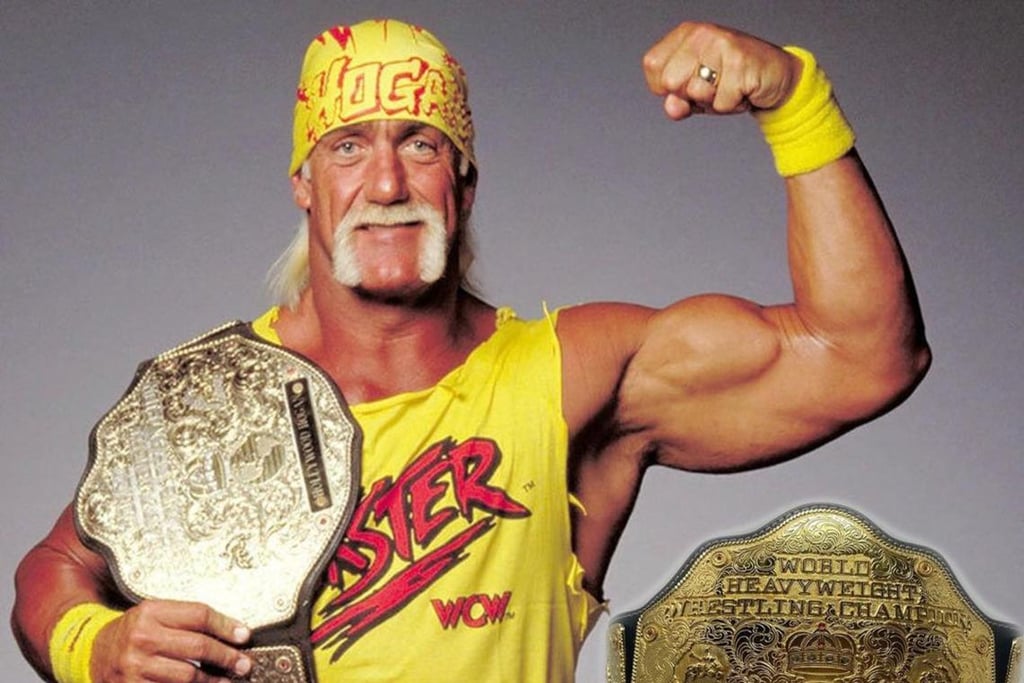
Hulk Hogan, born Terry Gene Bollea on August 11, 1953, in Augusta, Georgia, remains one of the most iconic figures in professional wrestling history. His larger-than-life persona, infectious charisma, and undeniable impact on WWE (then WWF) transformed the industry into a global phenomenon. As we reflect on his remarkable life and career, we celebrate a man whose legacy continues to inspire generations of fans and wrestlers alike.
Hogan’s journey to stardom began in the late 1970s when he transitioned from a musician and bodybuilder to a professional wrestler. Discovered by Vincent J. McMahon, Hogan debuted in the WWF in 1979, initially portraying a villainous character. However, it was his return in 1983 under Vince McMahon Jr.’s leadership that catapulted him to fame. Adopting the red-and-yellow-clad "Hulkamania" persona, Hogan became the face of the WWF’s golden era, embodying the all-American hero with his signature catchphrase, “Whatcha gonna do when Hulkamania runs wild on you?”
Hogan’s in-ring achievements are legendary. He won the WWF Championship six times, with his first title reign beginning on January 23, 1984, after defeating The Iron Sheik at Madison Square Garden. This victory marked the birth of Hulkamania, a cultural movement that saw fans chanting his name and wearing his iconic bandanas. His epic battles against opponents like Andre the Giant, Randy Savage, and The Ultimate Warrior are etched in wrestling history. Perhaps the most iconic moment came at WrestleMania III in 1987, when Hogan body-slammed the 520-pound Andre the Giant in front of 93,173 fans at the Pontiac Silverdome—an image that still defines wrestling’s grandeur.
Beyond the ring, Hogan’s charisma made him a pop culture icon. He starred in movies like No Holds Barred (1989) and appeared on TV shows, bringing wrestling to mainstream audiences. His role in the 1980s "Rock ‘n’ Wrestling" era, alongside stars like Cyndi Lauper, helped the WWF bridge sports and entertainment, paving the way for today’s WWE. Hogan’s larger-than-life persona resonated with fans, encouraging them to “train, say your prayers, and eat your vitamins,” a mantra that became a rallying cry for positivity and perseverance.
Hogan’s career wasn’t limited to the WWF. In 1994, he joined World Championship Wrestling (WCW), where he reinvented himself as “Hollywood” Hogan, the villainous leader of the New World Order (nWo). This heel turn shocked the wrestling world and sparked a ratings war with the WWF, showcasing Hogan’s versatility and ability to adapt. The nWo angle became one of the most influential storylines in wrestling, proving Hogan’s enduring relevance.
Despite controversies and personal challenges, Hogan’s contributions to wrestling are undeniable. He returned to WWE in the 2000s, engaging in memorable feuds and even winning the WWE Championship in 2002 at age 48. His 2014 return as a WWE ambassador and host of WrestleMania 30 reaffirmed his status as a beloved figure. Hogan’s induction into the WWE Hall of Fame in 2005 (and again in 2020 as part of the nWo) cemented his legacy as a pioneer.
Off-screen, Hogan’s philanthropy and connection with fans shone brightly. Through Make-A-Wish and other charitable efforts, he granted countless wishes for children, embodying the hero he portrayed. His larger-than-life personality extended to his personal life, where he remained a devoted father and friend, often sharing stories of his love for his family and “Hulkamaniacs.” As we remember Hulk Hogan, who passed away on 24th July 2025, leaving an irreplaceable void in the wrestling world, we celebrate a man who transcended wrestling to become a cultural icon. His charisma, athleticism, and ability to connect with audiences made him a trailblazer.
From sold-out arenas to blockbuster storylines, Hogan’s influence endures in every wrestler who steps into the ring today. His message of positivity—encouraging fans to believe in themselves—remains timeless. Hulkamania may have been born in the 1980s, but its spirit lives on, forever running wild in the hearts of fans worldwide.