
Botswana to Make History
Botswana was selected as First African Nation to Host 2026 World Athletics Relays
AROUND THE GLOBEOFF THE FIELD
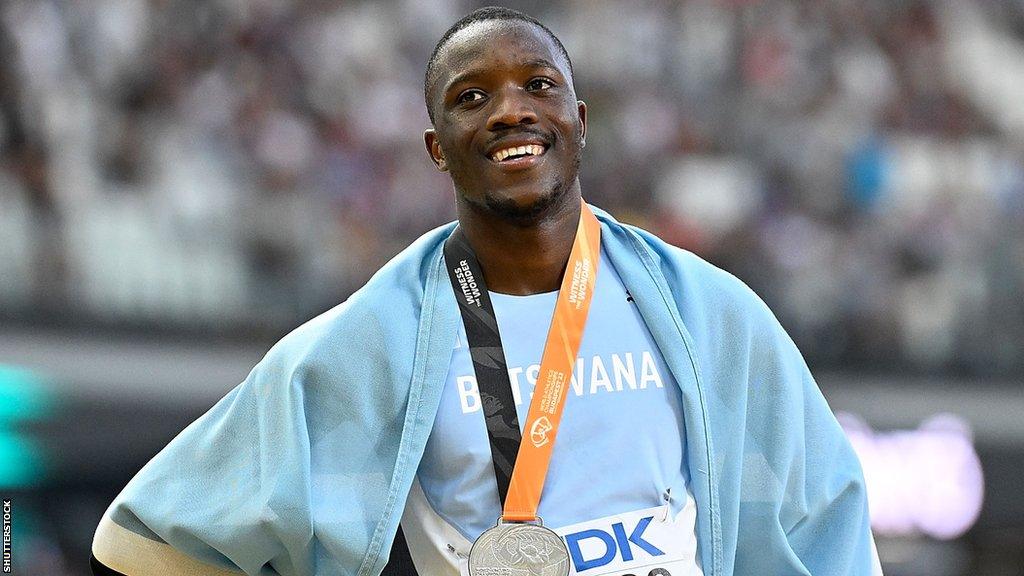
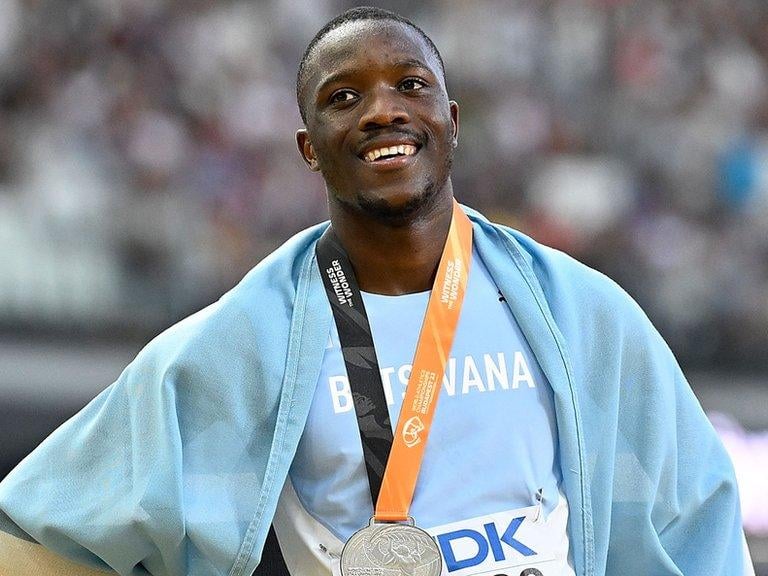
In a ground-breaking moment for African sport, Botswana has been selected to host the World Athletics Relays in 2026, marking the first time the prestigious event will be held on the continent. Announced in early 2025, this decision not only elevates Botswana’s status in global athletics but also shines a spotlight on its golden boy, Olympic 200-meter champion Letsile Tebogo. As the nation prepares to welcome the world’s fastest relay teams, Tebogo stands poised to anchor this historic chapter, blending local pride with international flair.
A Trailblazing Choice
The World Athletics Relays, a showcase of speed and teamwork featuring events like the 4x100m and 4x400m, has traditionally been hosted by nations in Europe, Asia, or the Americas. Botswana’s selection breaks that mould, signalling a shift toward recognizing Africa’s growing influence in track and field. Set for 2026 in Gaborone’s National Stadium, the event will bring together elite athletes from across the globe, placing Botswana—a nation of just over 2.5 million—at the centre of the athletics universe.
World Athletics officials cited Botswana’s recent success on the track, its passionate fan base, and its proven ability to stage international events as key factors in the decision. “Botswana represents the future of our sport,” said a World Athletics spokesperson. “Their commitment to athletics, paired with a world-class talent like Tebogo, made this an exciting choice.” For Africa, it’s a long-overdue milestone, amplifying the continent’s voice in a sport it has long enriched with talent.
Tebogo: The Face of the Future
No one embodies Botswana’s rise better than Letsile Tebogo. At 21, the sprinter from Kanye has already made history as Africa’s first Olympic 200m champion, clocking 19.46 seconds to claim gold at the 2024 Paris Games. His electrifying speed, coupled with a magnetic personality, has turned him into a global star—and now, the perfect ambassador for Botswana’s 2026 hosting duties.
Tebogo’s reaction to the news was pure excitement. “To have the Relays here, in my home, is a dream,” he said in a recent interview. “I’ll be ready to run for my people and show the world what Botswana can do.” Fans are already buzzing about seeing him anchor a relay team on home soil, his long strides and fearless style promising to ignite the crowd. With two years to prepare, Tebogo could be at the peak of his powers by 2026, potentially chasing world records alongside relay glory.
From Underdog to Host
Botswana’s journey to this moment has been one of steady ascent. The nation first grabbed global attention in 2012 when Nijel Amos won Olympic silver in the 800m, but Tebogo’s emergence has turbocharged its reputation. His Olympic triumph last year sparked celebrations across Gaborone and beyond, cementing athletics as a source of national identity. Hosting the Relays builds on that momentum, showcasing Botswana’s ability to blend grassroots passion with world-class execution.
Preparations are already underway. The National Stadium will undergo upgrades to meet international standards, while local officials plan to infuse the event with Setswana culture—think traditional music, dance, and cuisine alongside the races. For Botswana, it’s not just about hosting; it’s about leaving a lasting impression.
A Symbol of African Ambition
The 2026 Relays carry weight beyond Botswana’s borders. As the first African-hosted edition, they challenge the status quo of global sports hosting, proving that smaller nations with big dreams can step up. The event could inspire other African countries to bid for major competitions, decentralizing athletics and amplifying the continent’s role beyond its athletes’ performances.
For Tebogo, it’s personal. Raised in a country where running tracks were once scarce, he’s a product of Botswana’s investment in youth sport. His story—humble beginnings, raw talent, and now global stardom—resonates with fans and mirrors the nation’s own trajectory. By 2026, he’ll be more than a competitor; he’ll be the face of a historic moment, likely leading Botswana’s relay teams against the world’s best.
CONTACT US
Reach out for stories, tips, or feedback.
info@worldofsportsmagazine.net
© 2026 World of Sports. All rights reserved.
Get the latest sports news straight to your inbox