
ACL Injuries in Young Athletes
Are We Missing Early Warning Signs?
SPORTS MEDICINEYOUTH SPORTS
8/19/20254 min read
The crack of a bat, the squeak of sneakers on a court, the roar of a crowd—youth sports are a whirlwind of energy and passion. But beneath the thrill of competition lies a growing concern: anterior cruciate ligament (ACL) injuries are on the rise among young athletes. These injuries, once rare in kids and teens, are now a troubling trend in sports medicine, with long-term consequences that can sideline dreams and reshape futures. Are we missing early warning signs that could prevent these injuries? Let’s dive into the world of ACL injuries, explore why they’re happening, and uncover the clues we might be overlooking.
The ACL: A Tiny Ligament with a Big Job
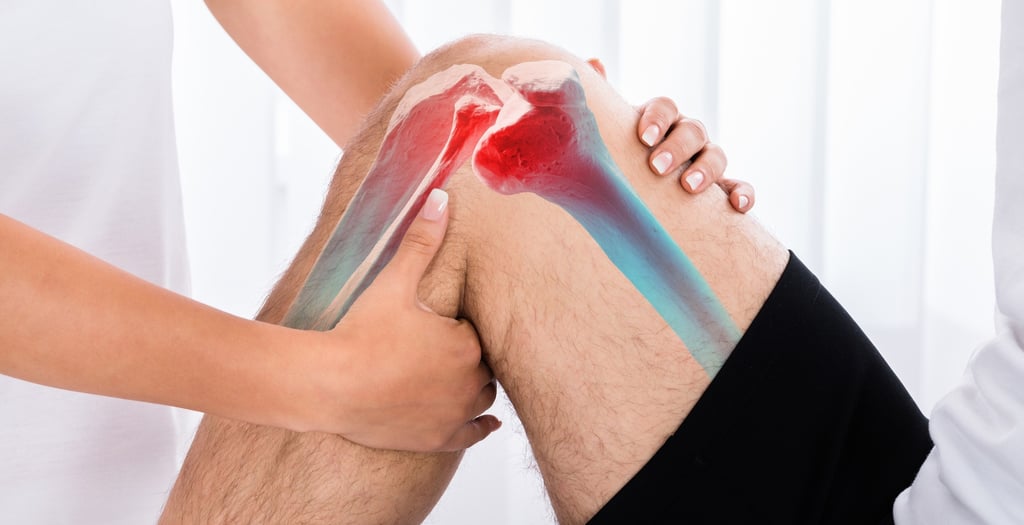
The ACL is a small but mighty band of tissue in the knee that connects the thigh bone (femur) to the shin bone (tibia). It stabilizes the knee during explosive movements like cutting, pivoting, or landing from a jump—think a soccer player dodging a defender or a basketball player dunking. For young athletes, whose bodies are still developing, the ACL is particularly vulnerable. A tear can mean surgery, months of rehab, and a heightened risk of arthritis later in life.
Data paints a stark picture: ACL injuries in athletes under 18 have risen sharply over the past two decades. A 2019 study in The American Journal of Sports Medicine reported a 2.3% annual increase in ACL tears among paediatric patients. Girls, in particular, face a higher risk—up to four times more likely than boys in sports like soccer and basketball. Why? Anatomy, hormones, and movement patterns all play a role, but the bigger question is whether we’re spotting the red flags before disaster strikes.
Why Are Young Athletes at Risk?
Youth sports have changed dramatically. Gone are the days of casual pickup games; today’s kids often specialize in one sport early, train year-round, and compete at levels once reserved for adults. This intensity places immense stress on developing bodies. Several factors contribute to the ACL injury epidemic:
Overuse and Specialization: Playing one sport relentlessly can lead to muscle imbalances and fatigue, weakening the support around the knee. A 2021 study in Orthopaedic Journal of Sports Medicine found that athletes who specialize early are 1.5 times more likely to sustain an ACL injury.
Poor Movement Mechanics: Young athletes often lack proper technique in jumping, landing, or cutting. For example, landing with knees too straight or inward (a “valgus” position) puts excessive strain on the ACL. Girls are particularly prone to this due to wider hips and weaker hamstrings relative to quads.
Growth Spurts: During puberty, bones grow faster than muscles and ligaments, creating temporary imbalances. This makes the ACL less resilient to sudden forces, especially in rapidly growing teens.
Inadequate Strength and Conditioning: Many young athletes don’t engage in strength training or flexibility programs tailored to injury prevention. Weak core muscles, tight hip flexors, or underdeveloped hamstrings can all increase ACL stress.
Pressure to Perform: Coaches, parents, and even athletes themselves often prioritize performance over safety. Playing through fatigue or minor injuries can set the stage for a catastrophic tear.
Are We Missing the Warning Signs?
The scary truth? Many ACL injuries are preventable, but subtle signs often go unnoticed until it’s too late. Here are key red flags that parents, coaches, and athletes might be missing:
Knee Pain or Swelling: Persistent discomfort or mild swelling after activity could signal early stress on the knee. While not always an ACL issue, it’s a clue something’s off.
Fatigue and Poor Form: Watch for athletes who look sluggish or sloppy in their movements late in games or practices. Fatigue amplifies risky mechanics, like landing awkwardly or collapsing inward at the knee.
Asymmetry in Movement: Uneven strength or coordination between legs—say, favouring one side when jumping—can indicate muscle imbalances that strain the ACL.
Recurrent Minor Injuries: Frequent ankle sprains, shin splints, or quad strains may point to underlying biomechanical issues that increase ACL risk.
Lack of Confidence in the Knee: If an athlete hesitates during high-intensity moves or complains of the knee “giving way,” it could signal instability or weakness.
Coaches and parents often dismiss these signs as “growing pains” or normal wear and tear. But ignoring them can lead to a pop in the knee that changes everything.
Prevention: Catching the Problem Early
The good news? We can reduce ACL injuries by addressing these warning signs proactively. Sports medicine experts advocate for prevention programs that are both effective and accessible. Here’s what works:
Neuromuscular Training: Programs like the FIFA 11+ or PEP (Prevent Injury, Enhance Performance) teach proper movement patterns, strengthen key muscles, and improve balance. Studies show these programs can cut ACL injury rates by up to 50%.
Strength and Flexibility: Building strong hamstrings, glutes, and core muscles while improving flexibility can stabilize the knee. Simple exercises like squats, lunges, and single-leg balances can make a big difference.
Rest and Recovery: Scheduling off-seasons and limiting single-sport participation can prevent overuse. The American Academy of Paediatrics recommends kids take at least one to two days off per week and two to three months off per year from a single sport.
Screening Tools: Some sports programs now use movement assessments, like jump-landing tests, to identify risky mechanics early. These screenings can flag athletes who need extra coaching or strength work.
Education: Coaches and parents need training to recognize warning signs and prioritize long-term health over short-term wins. Encouraging athletes to speak up about discomfort is critical.
A Call to Action
ACL injuries don’t have to be a rite of passage for young athletes. By paying attention to early warning signs—pain, poor form, or fatigue—we can intervene before a tear occurs. It starts with a cultural shift: valuing prevention as much as performance. Parents should advocate for balanced training, coaches should prioritize proper technique, and athletes should feel empowered to listen to their bodies.
The stakes are high. An ACL tear can mean missing a season, undergoing invasive surgery, and facing a lifetime of knee issues. But with vigilance and proactive measures, we can keep young athletes in the game—safely. So, the next time you’re at a game, watch closely. That awkward landing or subtle limp might be more than just a bad day—it could be a warning sign we can’t afford to miss.